
Diagnosing and Fixing Flickering Lights at Home
You are relaxing in your living room after a long day, perhaps enjoying a good book or watching television, when suddenly, the overhead lights dim for a split second. Or maybe the fixture in your home office has developed a persistent, annoying flutter that gives you a headache. Most of us have experienced flickering lights at some point. While it is incredibly easy to brush this off as a minor nuisance or a quirk of the house, it is frequently a symptom of an underlying electrical issue that deserves a closer look.
For homeowners in the Edmonton area, ensuring your electrical system is safe, reliable, and entirely up to code is a top priority. Our homes undergo significant temperature shifts and varying power demands throughout the year, which can take a toll on aging infrastructure. Understanding the causes of flickering lights in a house can help you differentiate between a harmless annoyance and a serious safety hazard. Let's break down exactly what causes these voltage fluctuation signs in residential wiring, how to troubleshoot them safely, and when it is time to bring in professional help.
Simple Fixes: Bulbs and Incompatible Switches
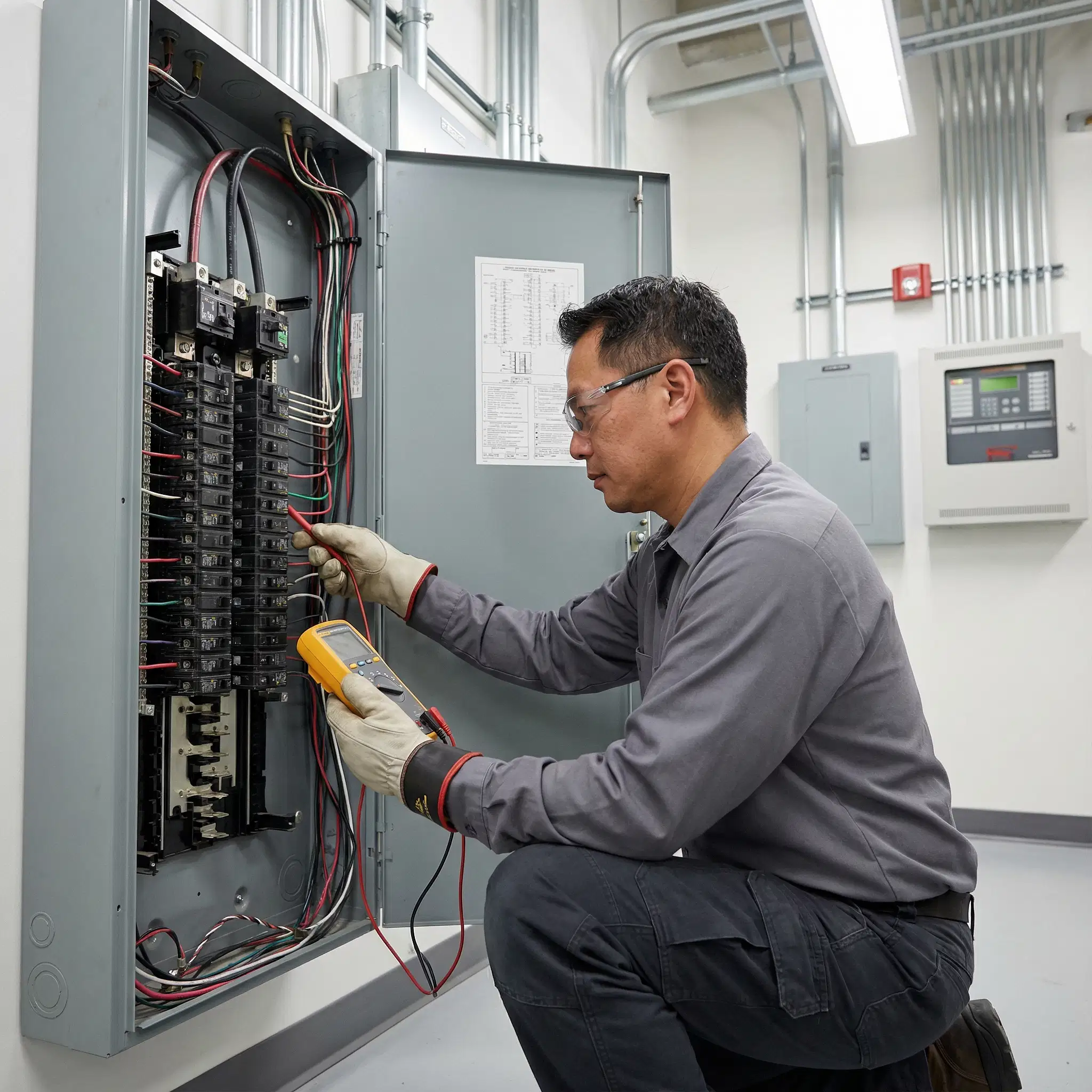
Before you worry about complex wiring issues, it is always best to start with the simplest explanations. Often, the culprit behind a flickering light is localized to the fixture itself.
A loose lightbulb is one of the most common reasons for an inconsistent glow. If the bulb isn't screwed in tightly, the connection to the socket can easily be disrupted by minor vibrations in the home, such as someone walking heavily on the floor above. Turn off the fixture, wait for the bulb to cool completely, and gently tighten it to see if that resolves the issue.
If you have recently upgraded your home to modern, energy-efficient lighting, you might be wondering how to troubleshoot flickering LED lights. The most frequent cause here is dimmer switch compatibility. Older dimmer switches were designed to handle the higher wattage of traditional incandescent bulbs. Because LEDs draw significantly less power, an older dimmer can fail to supply a consistent electrical current to them, resulting in a rapid strobe effect or a buzzing sound. Upgrading to an LED-compatible smart switch or a modern dimmer is usually the best solution.
Heavy Appliance Loads and Circuit Strain
Have you ever noticed your lights dimming momentarily precisely when your air conditioner kicks on, or when you start the microwave? This is a classic sign of a temporary voltage drop. Large appliances require a significant surge of power to start their motors. When they draw this sudden surge, it can temporarily pull current away from other devices on the same circuit, causing the lights to dim or flicker briefly.
In many cases, a minor, momentary dimming when a major appliance starts up is normal and not a cause for panic. However, if the flickering is severe, lasts longer than a second, or if it happens frequently with smaller appliances, it indicates that your electrical system is struggling to handle the load.
This could mean that your circuits are overloaded, or that large appliances need to be moved to their own dedicated circuits. Continually overloading your system not only causes annoying lighting issues but can also lead to tripped breakers, overheated wires, and potential fire hazards. If you are noticing persistent voltage fluctuation signs, it is time to schedule a professional assessment.
When to Worry: Loose Connections and Aging Wiring
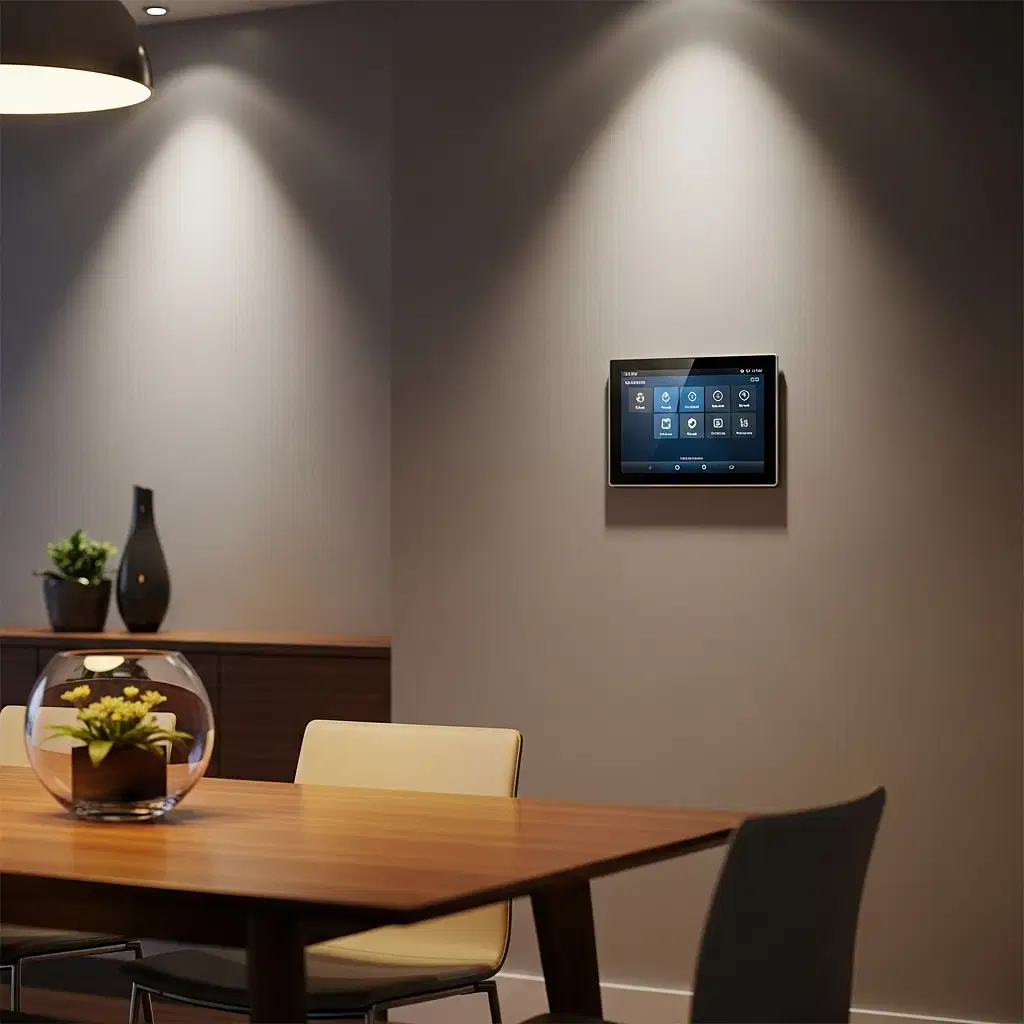
If you have ruled out loose bulbs and dimmer issues, the problem likely lies deeper within your home's electrical infrastructure. Loose electrical connections are incredibly dangerous. They create high resistance, which leads to overheating, arcing, and ultimately, a significant risk of an electrical fire. These loose connections can occur anywhere: inside the light fixture, at the switch, within a junction box, or directly at your main electrical panel.
The age of your home also plays a massive role in electrical reliability. We frequently hear clients ask, "My lights are flickering, what could be the problem?" and a follow-up question is often, "Is my aluminum wiring safe?"
In many established neighborhoods, like those found in Mill Woods or the historic properties around Old Strathcona, homes were built using older wiring methods. Homes constructed in the 1960s and 1970s often feature aluminum wiring. Aluminum expands and contracts with temperature changes much more than copper does. Over decades, this constant movement can cause connections at switches and outlets to loosen, leading to severe flickering and arcing. While aluminum wiring can be made safe through proper remediation and specialized connectors, it requires professional evaluation.
If you are experiencing persistent issues that you cannot link to a simple bulb or appliance, we highly recommend utilizing our troubleshooting/no power expertise to identify hidden hazards behind your walls.
The Impact of Extreme Weather
It is also worth noting how our local climate impacts your home's electrical performance. When the Deep Freeze settles in, we rely heavily on electric space heaters, furnace fans, and block heaters. This dramatic increase in electrical demand puts a heavy strain on both the municipal grid and your home's electrical panel.
Extreme cold can also affect exterior electrical components. Frost heaves and shifting ground can occasionally put tension on the main service lines coming into your home, potentially loosening the neutral connection at the meter base. A loose neutral wire is a critical emergency that often presents as widespread, erratic flickering throughout the entire house, with some lights getting unusually bright while others dim. If you see this specific pattern, turn off your main breaker immediately and call an electrician.
Professional Solutions You Can Trust
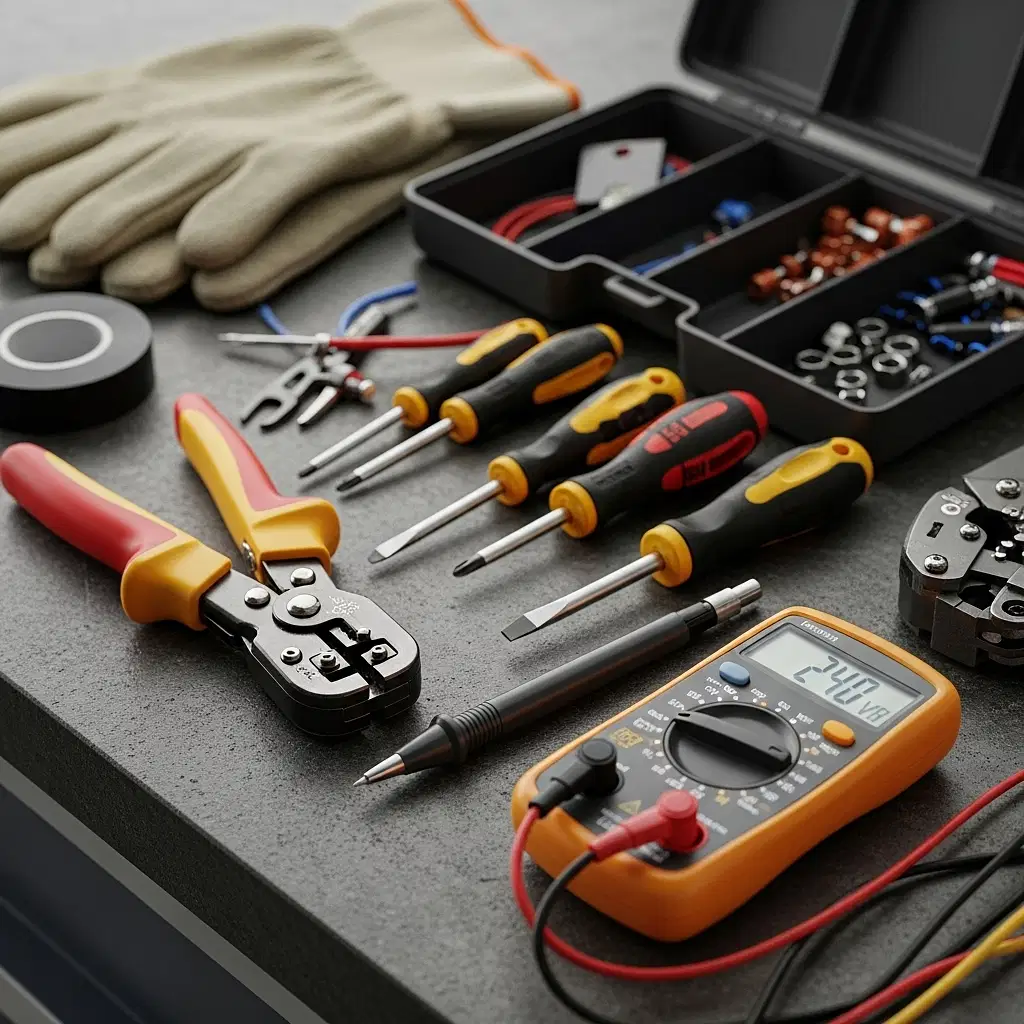
Knowing when to call an electrician for dimming lights is crucial for protecting your property and your family. Electrical work is not a DIY weekend project. Attempting to diagnose complex wiring issues without the proper training, licensing, and testing equipment can result in serious injury or code violations that compromise your home's insurance.
At McKones Electrical, we pride ourselves on thorough, transparent diagnostics. When we conduct service calls, our certified electricians don't just put a band-aid on the symptom. We inspect the specific fixtures, test the circuit load, evaluate your electrical panel, and check for hidden loose connections to ensure everything meets the strict safety standards of the Canadian Electrical Code.
Whether your home simply needs a few modern lighting upgrades to accommodate new LED technology, or you require comprehensive panel remediation to secure aging wiring, we provide clear explanations and fair pricing before any work begins.
Don't let flickering lights keep you in the dark about your home's safety. If you are based in Leduc or the surrounding communities and need a dependable assessment of your electrical system, reach out to us today. Visit our contact us page to schedule a thorough inspection and enjoy the peace of mind that comes with safe, reliable power.