
Don't Let Winter Win: A Homeowner's Guide to Preventing Frozen Pipes with Heat Trace
Every year, as the first real Edmonton deep freeze sets in, homeowners hold their breath, hoping to avoid the nightmare of a frozen and burst pipe. The damage from a single burst pipe can be catastrophic, leading to extensive water damage, costly repairs, and major disruption to your life. But what if you could proactively protect your home from this common winter disaster? Fortunately, there's a modern, reliable solution: a professionally installed heat trace system. This technology is one of the most effective ways to safeguard your plumbing against our harsh Alberta winters, giving you peace of mind when the temperature plummets.
What is a Heat Trace System?
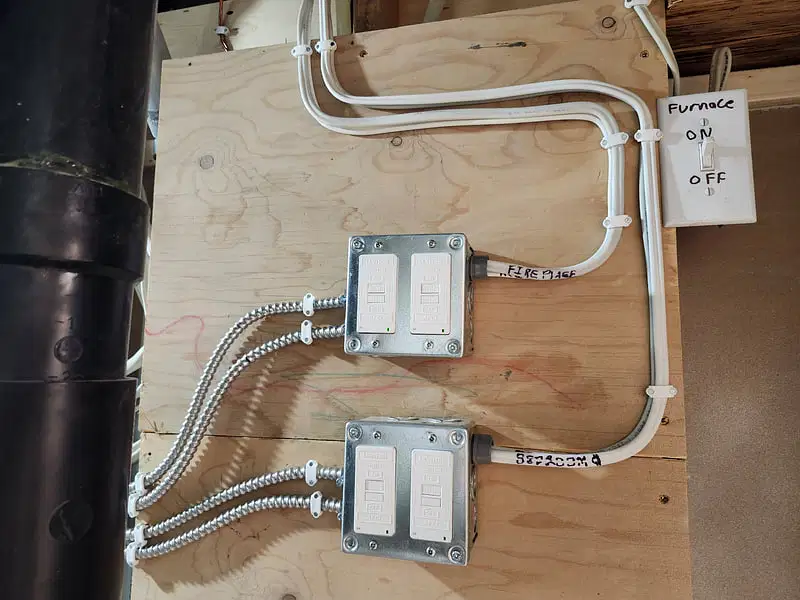
At its core, a heat trace system (also known as heat tape or a heat cable) is an electrical cable that is installed directly onto your pipes. When activated, it generates just enough warmth to keep the water inside from freezing, no matter how cold it gets outside. While the concept is simple, the technology has become quite sophisticated.
There are two main types of heat trace cables:
- Constant Wattage: This older style of cable provides a consistent heat output along its entire length. While effective, it can be less energy-efficient as it uses the same amount of power regardless of the ambient temperature.
- Self-Regulating: This is the modern standard for residential and commercial applications. Self-regulating cables are engineered to automatically adjust their heat output based on the surrounding temperature. The colder a section of pipe gets, the more heat the cable produces in that specific spot. This smart technology makes it incredibly energy-efficient—it only uses the power it needs, exactly when and where it's needed. It's also safer, as it prevents overheating.
For most homeowners, a self-regulating system is the superior choice, offering an ideal balance of effective pipe freeze protection and lower energy consumption.
Identifying High-Risk Areas in Your Home
While any pipe exposed to freezing temperatures is at risk, some areas are far more vulnerable than others. Understanding these problem spots is the first step in creating an effective protection plan. Our electricians often find that the most common areas needing protection include:
- Crawlspaces and Unheated Basements: These areas often lack sufficient insulation and can reach sub-zero temperatures, putting all plumbing within them at high risk.
- Pipes in Exterior Walls: Water lines running through poorly insulated outside walls are prime candidates for freezing, especially on the north side of a house.
- Cantilevers and Overhangs: Rooms that extend out from the main foundation, like a bay window or a second-story overhang, often have pipes running through them that are exposed to the cold.
- Garages and Parkades: Water lines for utility sinks, hose bibs, or in-floor heating in unheated or attached garages are extremely susceptible to freezing.
- Well Houses and Agricultural Buildings: For rural properties, water supply lines in outbuildings are a critical point of failure during a cold snap.
By strategically installing a heat trace system in these key areas, you can create a comprehensive defense against frozen pipes.
The Benefits of Professional Installation
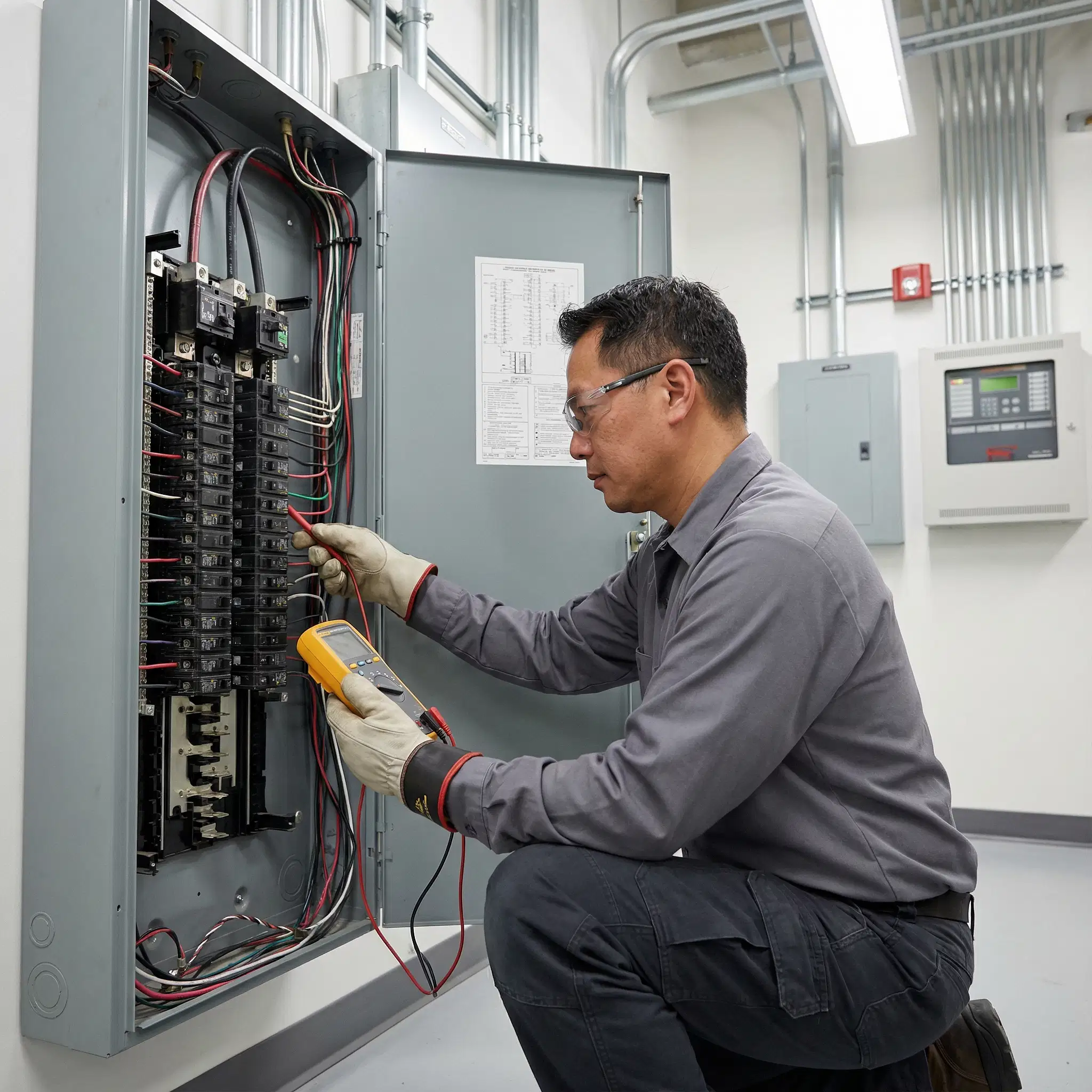
While DIY heat trace kits are available, this is one job where professional installation is crucial for safety, reliability, and efficiency. An electrical system designed to interact with your plumbing requires expert knowledge to ensure it's done right and meets all safety codes.
Here’s why you should always trust a licensed electrician:
- Safety and Code Compliance: Improper wiring, incorrect connections, or using the wrong materials can create a serious fire hazard. A certified electrician ensures your system is installed according to the Alberta Electrical Code, using proper GFCI protection to prevent any risk of electrical shock.
- Durability and Effectiveness: A professional knows how to properly secure the cable for maximum heat transfer, apply the correct insulation, and protect it from physical damage. This ensures the system works effectively for years to come.
- Energy Efficiency: An expert will help you choose the right self-regulating system for your needs and ensure it's wired correctly to operate as efficiently as possible, saving you money on your EPCOR bill.
- Peace of Mind: Knowing your system was installed by a qualified professional means you can trust it to work when you need it most. It’s a long-term investment in protecting your property from thousands of dollars in potential water damage.
Attempting to save a little money on installation can end up costing you far more in the long run, either through system failure or, worse, a safety incident. For all your residential electrical needs, relying on a pro is the smartest choice.
Protect Your Home Before the Next Deep Freeze
Don't wait for a frantic, middle-of-the-night emergency to think about your pipes. A proactive approach is the best way to protect your home and family from the stress and expense of a burst pipe. A professionally installed heat trace system is a smart, energy-efficient investment that provides reliable protection against our harsh Edmonton winters.
If you're concerned about vulnerable pipes in your home or business, the team at McKones Electrical is here to help. We can assess your property, recommend the right solution, and provide a safe, compliant installation that gives you lasting peace of mind. Contact us today to schedule a consultation or a service call and ensure your home is ready for whatever winter throws its way.