
Planning Dedicated Circuits for Your Kitchen Renovation
When planning a kitchen remodel, it is incredibly easy to get caught up in choosing the perfect quartz countertops, custom cabinetry, and a stunning modern backsplash. However, what happens behind the drywall is arguably the most important aspect of your entire project. Today's kitchens are power-hungry environments. From smart refrigerators and high-wattage induction ranges to built-in espresso machines and warming drawers, the electrical demands of a modern cooking space are higher than ever before. For homeowners in the YEG region, ensuring your electrical system is fully equipped to handle these heavy loads safely is paramount to the success of your renovation.
This is where planning dedicated circuits comes into play. If you are upgrading your space, understanding the electrical foundation required will save you from the frustration of tripped breakers, serious safety hazards, and costly rework down the line. Our team at McKones Electrical specializes in providing comprehensive electrical services for kitchen renovations, and we are here to help you navigate the process of modernizing your home's electrical infrastructure so your new kitchen functions as beautifully as it looks.
Why Dedicated Circuits Matter for Your Safety
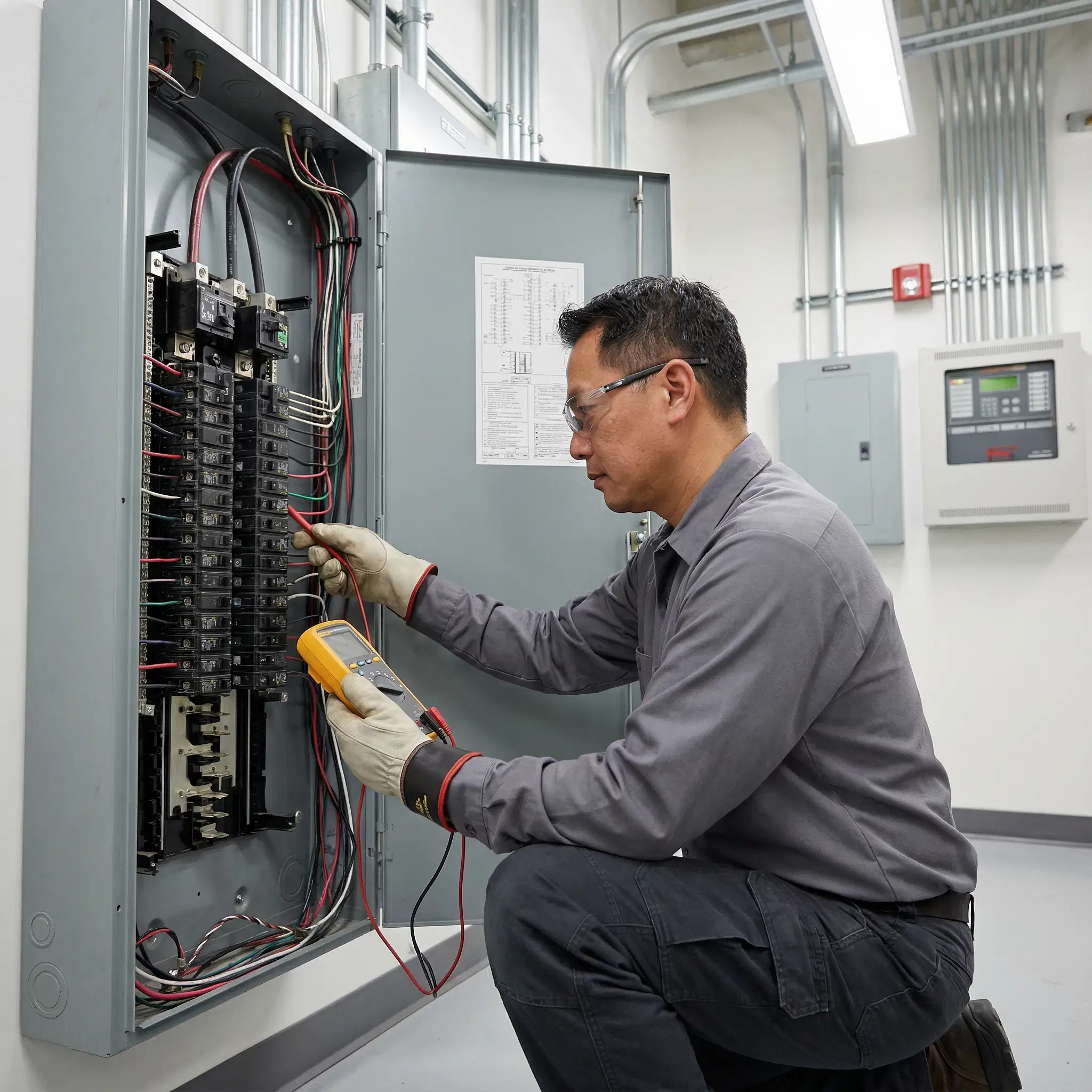
A dedicated circuit is an electrical line that serves a single appliance or a specific, limited set of receptacles. Unlike general-purpose lighting or outlet circuits that might stretch across several rooms in your house, a dedicated line ensures that high-draw appliances have a reliable, uninterrupted flow of electricity directly from the breaker panel.
One of the most common questions we hear during the planning phase is: how many circuits needed for kitchen remodel projects? The answer depends heavily on the specific appliances you plan to install, but the Canadian Electrical Code (CEC) sets strict baseline requirements to prevent overloading and potential fire hazards. Navigating complex provincial safety regulations and frequent updates to the CEC can be a massive headache for homeowners trying to manage their own renovations. You might wonder, are homeowners allowed to do their own electrical work under the Canadian Electrical Code? While local authorities sometimes allow homeowners to pull their own permits, the intricate knowledge required to properly balance electrical loads, choose the correct wire gauge, and ensure absolute safety compliance makes it highly advisable to hire a certified professional.
Attempting to run multiple heavy-duty appliances on a single, outdated circuit will inevitably lead to tripped breakers, fluctuating power, or worse, overheated wiring hidden inside your walls. Dedicated circuits prevent these issues entirely. Furthermore, hiring a licensed electrical contractor guarantees that the work is backed by proper liability insurance and meets all regulatory standards, providing essential peace of mind.
Specific Circuit Requirements for Kitchen Appliances
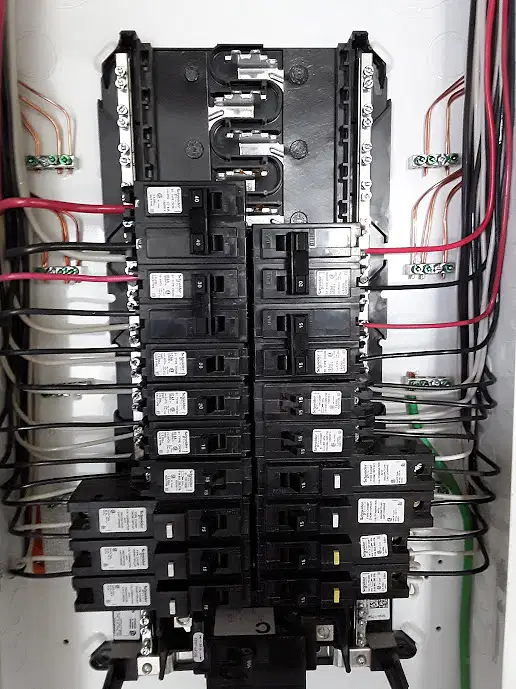
Understanding the dedicated circuit requirements for kitchen appliances is a crucial step before any drywall goes up. Most major kitchen appliances simply cannot share a circuit with anything else. Your refrigerator, dishwasher, electric range, and built-in microwave each require their own dedicated breaker in your electrical panel. For instance, an electric stove typically requires a heavy-duty 240-volt dedicated circuit, while a standard refrigerator requires a 120-volt dedicated line to ensure its compressor can cycle on and off without dimming the lights or tripping a breaker.
In addition to the major appliances, you must adhere strictly to small appliance branch circuit code requirements. The electrical code mandates specific 20-amp circuits dedicated solely to countertop receptacles. These are designed to handle portable, high-draw appliances like toasters, high-speed blenders, and air fryers that you use daily. These countertop outlets must be properly spaced along the wall and feature GFCI (Ground Fault Circuit Interrupter) protection to ensure your family's safety near sinks and water sources.
Another critical area that is frequently overlooked during the design phase is the kitchen island. With open-concept floor plans dominating modern homes, islands have become the central prep, cooking, and dining stations. The kitchen island electrical outlet code requirements specify exactly where and how many receptacles must be installed based on the island's total square footage and countertop dimensions. This ensures that you are never tempted to unsafely string extension cords across walkways to power a mixer or charge a laptop. Incorporating new electrical circuits during the rough-in stage ensures your custom island is fully functional and compliant with all safety standards.
Future-Proofing and Smart Home Integration
As we see rapid adoption of smart home automation and IoT-enabled appliances across the industry, planning your kitchen's electrical layout requires a forward-thinking approach. The growing trend toward energy independence and smart energy management means homeowners are increasingly investing in appliances that communicate directly with home networks to optimize energy usage and efficiency.
When you open up the walls for a major kitchen renovation, it is the absolute perfect time to think beyond your current daily routine. Do you plan to transition from a gas stove to an energy-efficient induction cooktop in the near future? Will you eventually want smart lighting integrated seamlessly under your cabinets or automated window shades? Planning for future alterations right now is significantly more cost-effective than trying to retrofit wiring after the expensive tile backsplash and drywall are completely finished. For families moving into growing developments along The QEII corridor, building a robust, high-capacity electrical foundation ensures that your kitchen will easily adapt to changing technological trends and evolving family needs for decades to come.
Partner with a Trusted Local Professional
A successful kitchen renovation requires much more than just beautiful aesthetic finishes; it requires a safe, reliable, and code-compliant electrical system at its core. From securing the necessary municipal permits to meticulously running new wiring and ensuring proper AFCI/GFCI protection, navigating the complexities of residential electrical work is always best left to experienced tradespeople.
At McKones Electrical, our certified professionals are dedicated to providing transparent pricing, meticulous workmanship, and the lasting peace of mind that comes with knowing your home is safe. If you are planning a kitchen remodel in Leduc or the surrounding areas, do not leave your electrical layout to chance. Reach out to our team today to discuss your project details and receive accurate electrical quotes for your specific needs. Let us help you power the modern kitchen of your dreams safely and efficiently. Contact us to schedule a comprehensive consultation with our local experts.