
Winterizing Acreage Electrical Systems for Cold Weather
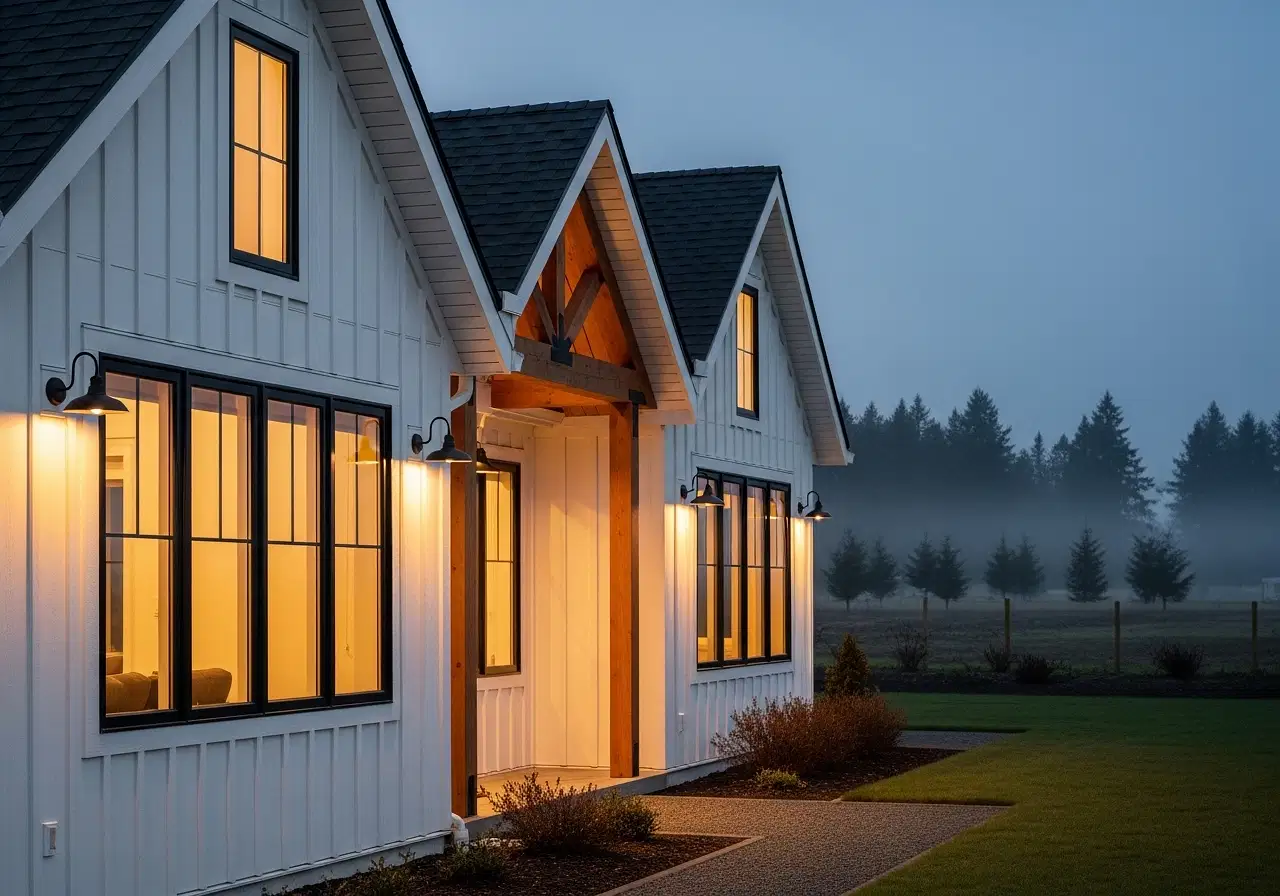
Living on an acreage offers incredible freedom and space, but it also brings a unique set of responsibilities when the temperature starts to drop. Out here, you are often your own utility manager. When an unforgiving Alberta winter rolls in across the Edmonton region, your property's electrical system has to work overtime to keep the lights on, the water flowing, and your outbuildings secure.
Winterizing your rural property isn't just about weatherstripping doors and blowing out irrigation lines. Your electrical infrastructure—from the main panel in your house to the subpanels in your barn, shop, or detached garage—faces intense demand during a deep freeze. Block heaters, electric space heaters, livestock waterers, and additional lighting all draw heavy loads that can stress aging or improperly installed wiring.
Preparing your rural property for winter weather is crucial for safety, convenience, and peace of mind. Taking a proactive approach now can help you avoid unexpected power loss, frozen pipes, and hazardous electrical faults when the snow is flying and the temperatures hit minus thirty.
Protecting Water Lines with Heat Trace
One of the most immediate threats to any rural property during a cold snap is the risk of frozen pipes. Whether you are running water to a livestock trough, a detached workshop, or an unheated pump house, water lines exposed to freezing temperatures can burst, leading to catastrophic water damage and expensive repairs.
Properly applied heat trace cables are the most effective way to keep your outdoor water lines and essential plumbing from freezing. These specialized electrical cables wrap around pipes to provide a consistent, safe heat source that regulates temperature. However, installing heat trace on a farm or rural property is not a simple DIY project.
The Canadian Electrical Code has strict requirements for how these heating cables must be installed, protected, and powered. Improperly installed heat tape is a notorious fire hazard, especially in dusty barns or outbuildings. A licensed professional will ensure that your heat trace is connected to a dedicated, GFCI-protected circuit, providing you with reliable freeze protection without compromising the safety of your property.
Preventing Electrical Panel Overloads
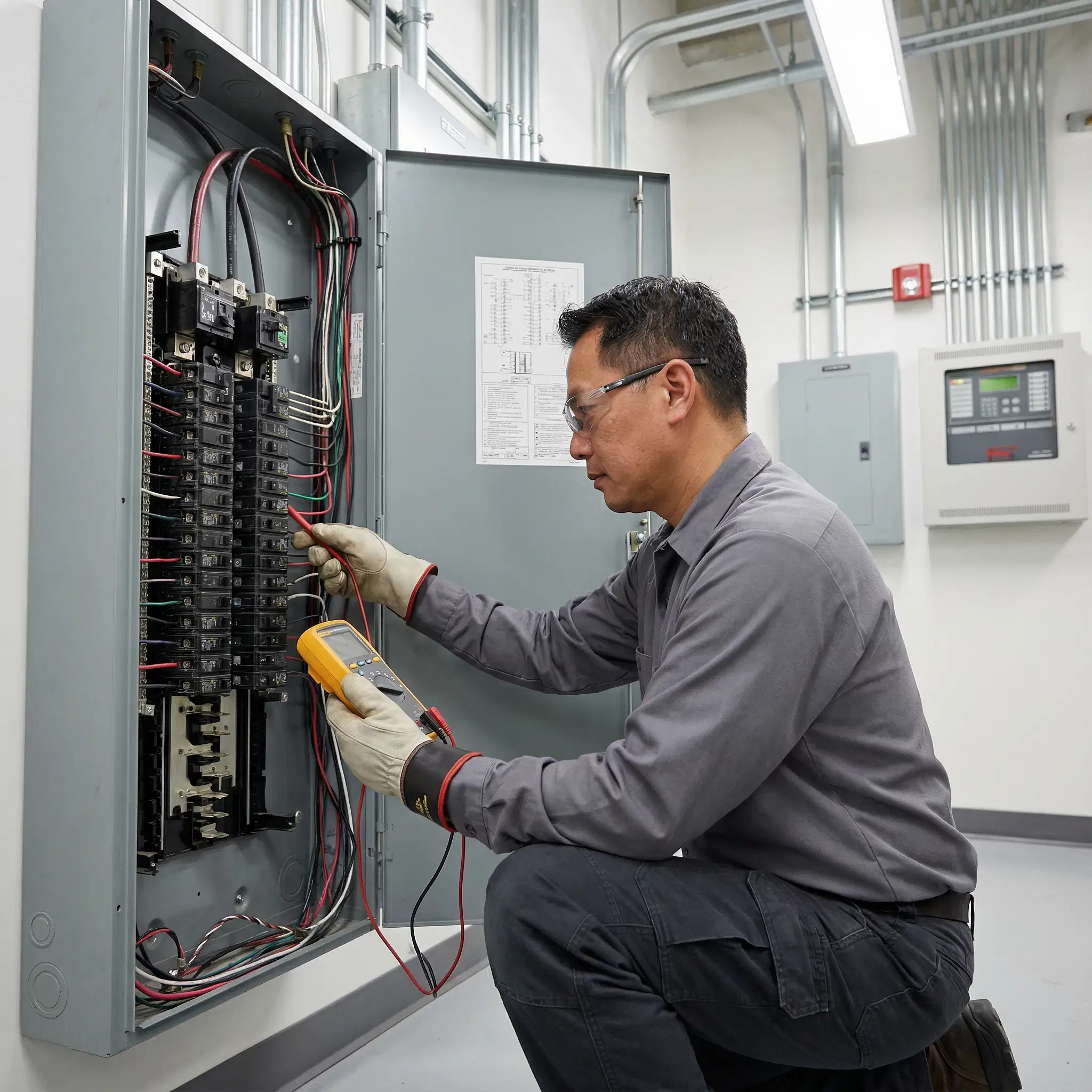
As winter sets in, the electrical demand on your property skyrockets. You might be plugging in multiple vehicle block heaters, running heavy-duty electric garage heaters to keep your workspace comfortable, or operating heavy agricultural equipment. If your property is running on an outdated electrical panel, this sudden spike in power consumption can easily lead to overloaded circuits, frequently tripping breakers, and potential fire hazards.
Preventing electrical panel overloads on rural properties starts with a thorough capacity assessment. Long wire runs from your main residence to your outbuildings can result in voltage drop, making your equipment work harder and less efficiently. If you are regularly tripping breakers when you fire up your shop heater or welder, it is a clear sign that your system is overtaxed.
Bringing in a Red Seal certified electrician to evaluate your infrastructure is a smart pre-winter move. Through specialized electrical services for agricultural clients, professionals can balance your electrical loads, upgrade panels to safely handle increased winter demands, and ensure all your outdoor receptacles are properly rated and weatherproofed for severe conditions.
Defending Equipment with Surge Protection
Rural power grids can sometimes be less stable than urban ones, making acreages more susceptible to power fluctuations. High winds, heavy snow loads on power lines, and the cycling of massive agricultural motors can all cause voltage spikes. These power surges might only last a fraction of a second, but they carry enough force to fry the sensitive circuit boards inside your modern appliances, smart home devices, and essential well-pump controllers.
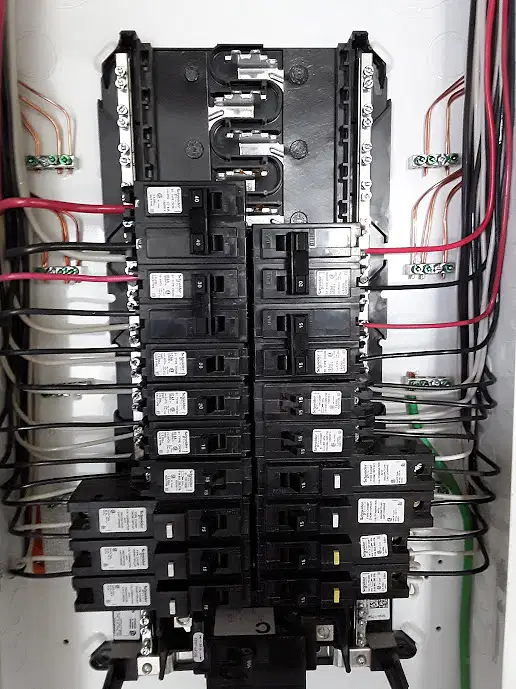
To safeguard your valuable equipment, comprehensive surge protector installation is highly recommended. Unlike the small power strips you buy at the hardware store, a whole-home surge protector is installed directly at your main electrical panel. It acts as a gatekeeper, instantly diverting excess voltage safely into the ground before it can travel through your property's wiring.
For acreage owners, this level of protection is vital. A power surge that takes out your well pump or furnace control board in the middle of January is an emergency you want to avoid at all costs. Whole-property surge protection provides an invisible but robust shield against the unpredictable nature of winter weather and grid fluctuations.
Schedule Your Pre-Winter Electrical Check
Winterizing acreage electrical systems and outbuildings requires careful planning and a commitment to safety. With harsh elements and high electrical demands working against you, relying on unpermitted, DIY wiring can put your home, your family, and your livelihood at risk. Compliance with safety regulations and ensuring your installations are up to the current electrical code will give you the confidence that your property is ready for whatever the season brings.
Don't wait until you're dealing with a tripped main breaker or a frozen pipe in the middle of a blizzard. Proactive maintenance and strategic upgrades are the best ways to ensure your rural property operates smoothly all winter long.
If you live on an acreage or manage a rural property in Leduc or the surrounding communities, reach out to McKones Electrical. Let our experienced team help you assess your current setup, balance your electrical loads, and implement safe, reliable winterization strategies. Visit our contact us page today to schedule a professional evaluation before the deep freeze sets in.