
Powering Your EV in Edmonton: A Homeowner's Guide to Safe Charging Installation
As more drivers in Edmonton make the switch to electric vehicles, one of the first questions that comes up is, "How do I charge it at home?" While public charging stations are becoming more common, the convenience and cost-effectiveness of charging your vehicle in your own garage overnight are unmatched. However, setting up a home charging station involves more than just plugging it in. It requires a careful assessment of your home's electrical system to ensure safety and efficiency.
At McKones Electrical, we are experts in residential electrical systems. While you choose the EV charger that's right for your vehicle, our job is to ensure your home's wiring, circuits, and panel are fully prepared to handle the load safely. This guide will walk you through the essential electrical considerations for preparing your Edmonton home for an EV.
Why a Dedicated Circuit is a Non-Negotiable for EV Charging
While you can technically use a standard 120-volt wall outlet (Level 1 charging) for your EV, it's an extremely slow process that can take several days to provide a full charge. For daily driving, a Level 2 charger is the practical standard. These chargers use a 240-volt circuit, similar to an electric stove or dryer, and can charge your vehicle overnight.
Installing a Level 2 charger isn't a DIY project. It requires running a new, dedicated electrical circuit from your main panel to your garage. Here’s why this must be done by a licensed electrician:
- Safety: A 240-volt circuit carries a significant amount of power. Improper installation can create a serious fire hazard or risk of electrical shock.
- Code Compliance: All electrical work in Alberta must adhere to the Canadian Electrical Code and local regulations. A professional ensures your installation is fully compliant, which is essential for your home insurance and for passing any required inspections.
- Reliability: A dedicated circuit ensures your EV charger gets consistent, reliable power without overloading other circuits in your home. This is especially important during an Edmonton deep freeze when your home's electrical demand is already high.
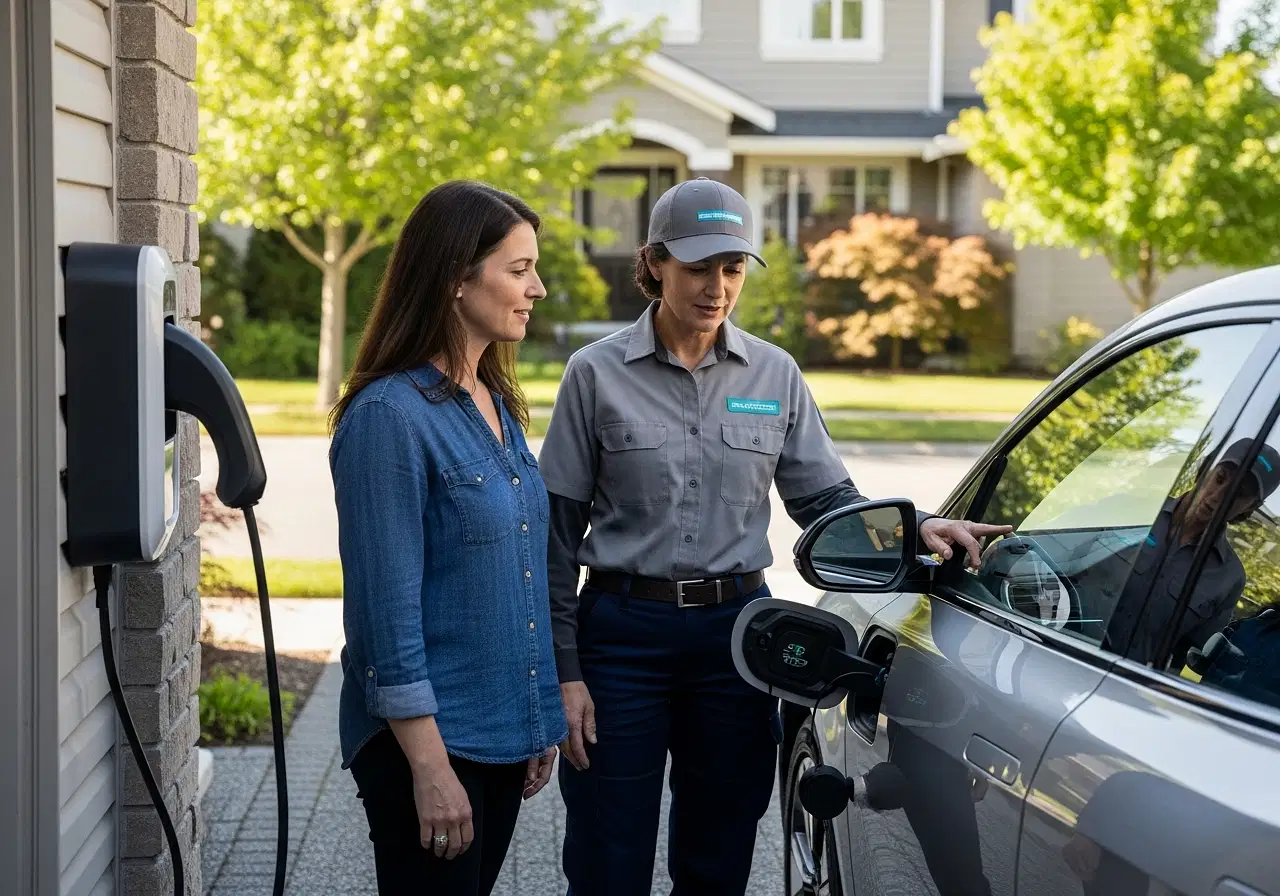
Determining Your Home's Electrical Capacity: A Job for a Professional
This is the most critical question for any homeowner considering a residential electric vehicle charging setup. Many homes in Edmonton and surrounding areas like Sherwood Park are equipped with a 100-amp service panel. Adding a substantial, continuous load like an EV charger could push this system beyond its safe capacity.
It is essential to contact a licensed electrician to determine the right solution for your home. This is not a decision a homeowner can make on their own. An electrician will perform a detailed "load calculation," a professional assessment that totals the power consumption of your home's major electrical loads—such as your stove, dryer, air conditioning, and any electric heating—to see if there is enough capacity left for the new charger.
Based on this professional evaluation, the electrician will recommend the safest and most effective solution. The outcome of this assessment will determine the path forward, which could be:
- Sufficient Capacity: In some cases, your existing panel may have enough spare capacity to handle the charger directly.
- EV Energy Management System (EVEMS): If your panel is near its limit, an EVEMS is a modern solution. This smart device monitors your home's total energy use and can temporarily pause charging if the system nears its maximum capacity, resuming automatically when the load decreases. An electrician can determine if this is a viable and safe option for your specific setup.
- Electrical Service Upgrade: If an EVEMS is not suitable or if you're planning other major additions, a full electrical service upgrade to 200 amps is the recommended solution. This provides ample power for all your current and future needs.
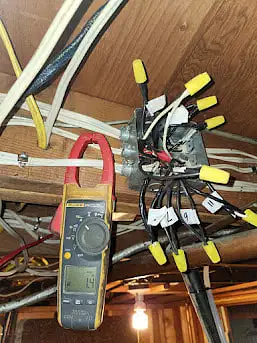
The Electrical Installation Process: What to Expect
Once you've selected your EV charger and we've determined the best approach for your electrical system, the work can begin. As your licensed electrician, our focus is on the infrastructure that powers your charger safely. Here’s a look at the typical process:
- Assessment and Permitting: We start with the professional load calculation and determine the best path for the new wiring. We then handle the entire electrical permitting process with your municipality to ensure all work is documented and compliant.
- Installing the New Circuit: Our certified electrician will run a dedicated 240-volt circuit using the appropriate gauge wiring from your electrical panel to the desired charger location in your garage. You can learn more about our process for installing new electrical circuits on our services page.
- Device Connection and Testing: We will install the necessary receptacle or hardwire your charger to the new circuit, ensuring all connections are secure. If an EVEMS is part of the plan, we will integrate it into your system. We then test everything to confirm it is operating safely and correctly.
- Final Inspection: Once the work is complete, a final inspection is conducted to close the permit, giving you complete peace of mind that the installation was done to the highest safety standards.
Get Your Home Ready for the Future of Driving
Preparing your home for an electric vehicle is a smart investment in convenience and sustainability. The most important step is ensuring the electrical foundation is safe, robust, and professionally installed. Whether your home needs a simple dedicated circuit, a smart energy management system, or a full panel replacement, only a qualified electrician can make that determination.
If you're in the Edmonton area and ready to set up your home for EV charging, contact us today. We'll provide a comprehensive assessment and a clear plan to power your vehicle safely for years to come.