
A Comprehensive Guide to Wiring Requirements for Electric Garage Heaters
Winter in the Edmonton area is no joke, and a freezing garage can make everything from morning commutes to weekend DIY projects miserable. Many homeowners are looking into reliable heating solutions to make their spaces comfortable year-round. However, before you go out and purchase a unit, understanding the wiring requirements for electric garage heaters is absolutely crucial.
At McKones Electrical, we frequently get asked about the best ways to power these heating units safely. Unlike a standard space heater that you can just plug into a wall, high-capacity garage heaters require specialized electrical services to operate safely and effectively. Whether you are looking to keep your vehicles warm or create a fully functional winter workshop, having the right electrical infrastructure is the first step. Let's break down everything you need to know about preparing your garage for consistent, safe heat.
Determining the Right Breaker Size and Capacity
One of the most common questions we receive is about the breaker size needed for electric garage heater installations. The answer entirely depends on the wattage of the heater you select. Most residential electric garage heaters range from 4,000 to 7,500 watts, which is a massive continuous draw on your home's electrical system.
For a standard 5,000-watt heater, you will typically need a 30-amp, 240-volt dedicated circuit. It is vital to understand that this equipment cannot share a breaker with your garage lights or standard outlets. Attempting to overload an existing circuit is a major fire hazard and violates the Canadian Electrical Code. When planning a dedicated circuit installation for 240v garage heater systems, the breaker must be sized at 125% of the heater's continuous load rating to ensure the breaker doesn't trip during extended use.
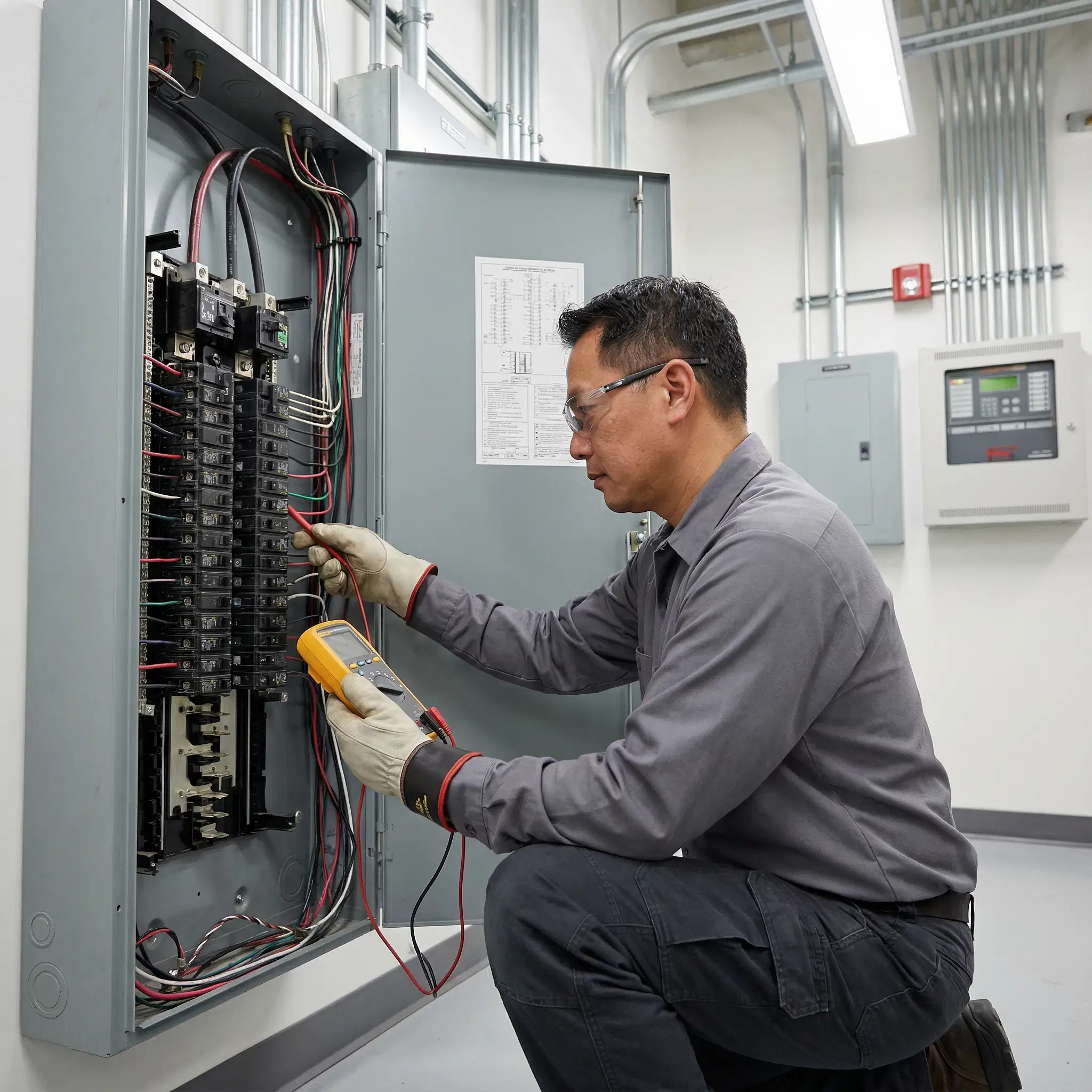
This high energy demand often brings up another important conversation: the capacity of your main electrical panel. If you live in an older home, your current service might not have the capacity to support a new 30-amp or 40-amp draw. If you are experiencing tripping breakers or simply lack physical space in your panel, you may need to consider a Panel Replacement before proceeding. Updating your panel not only supports your new heater but also improves the overall safety and value of your home.
Wire Gauge Requirements and Hardwiring Specifications
When dealing with high-amperage appliances, the thickness of the wire is just as important as the breaker itself. The electric garage heater wire gauge requirements dictate that you must use wire capable of safely carrying the electrical load without overheating. For a 30-amp circuit, a 10-gauge copper wire is the standard requirement. If you are installing a larger 7,500-watt heater that requires a 40-amp breaker, you must upgrade to a thicker 8-gauge wire.
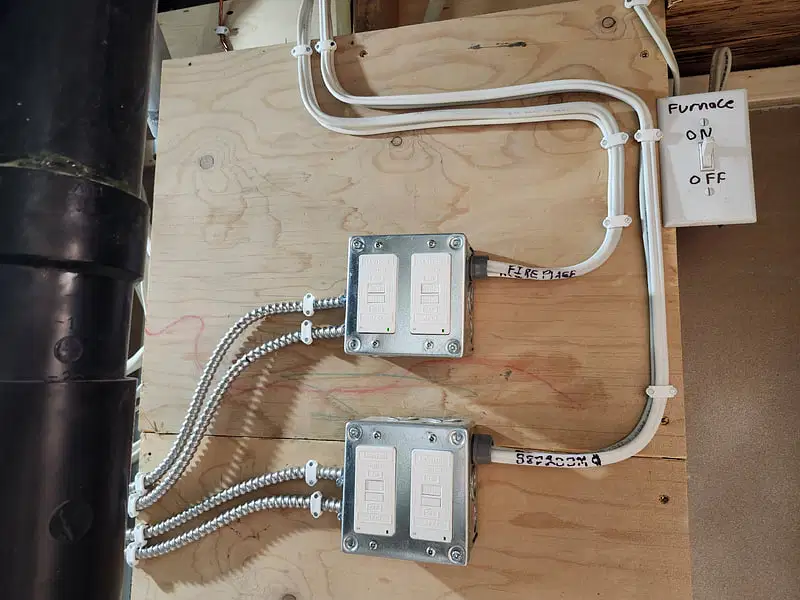
Homeowners must also be aware of hardwired garage heater electrical requirements. Unlike appliances that use a standard plug and receptacle, most heavy-duty garage heaters are designed to be hardwired directly into a junction box. This eliminates the risk of a loose plug connection creating electrical arcing or excessive heat. Because hardwiring involves direct connections to your home's electrical framework, it requires a strict adherence to provincial safety regulations.
Navigating these complex regulations and securing the necessary permits can be an administrative headache. It is a strict requirement that this level of electrical repair and installation be performed by a certified professional. Unlicensed work not only voids warranties and home insurance policies but can also lead to severe safety risks. By hiring a licensed electrical contractor, you ensure that all work is compliant with the latest safety codes and properly approved by local authorities.

Expanding Your Garage Capabilities
Once you have invested in a warm, comfortable garage, you might find yourself wanting to utilize the space for more than just parking. When a sudden Chinook rolls in and the snow begins to melt, a heated garage makes it much easier to tackle maintenance projects or enjoy hobbies year-round.
If you are already pulling new wire from your main panel to the garage, it is an excellent time to think about future-proofing the space. Many homeowners choose to run additional circuits at the same time to accommodate heavy-duty tools. For instance, pairing your heater installation with the addition of Welder/240v Plugs can transform your standard garage into a fully functional fabrication shop or heavy-duty workspace. Planning these upgrades simultaneously can save you significant time and electrical cost in the long run.
Furthermore, modernizing your garage with dedicated circuits aligns perfectly with the growing trend of smart home and energy independence upgrades. Properly sized electrical infrastructure is the foundation for everything from advanced lighting to future electric vehicle chargers.
Ready to Transform Your Space?
Wiring an electric garage heater is a complex process that demands precise calculations, high-quality materials, and strict adherence to safety standards. Don't risk your home's safety by attempting a DIY fix or relying on an uncertified handyman.
If you're tired of freezing every time you step into your garage, McKones Electrical is here to help. As a trusted local provider, we pride ourselves on transparent pricing, meticulous workmanship, and full regulatory compliance. Learn more about our specialized Electric Garage Heater Installation services, or reach out to us directly through our Contact Us page to schedule your consultation in Leduc and the surrounding communities today. Let's get your space warm, safe, and ready for whatever winter throws our way.