
A Homeowner's Guide to Hardwired Smoke and Carbon Monoxide Alarm Requirements
When we think about home safety, our minds often jump to sturdy locks and security systems. However, some of the most critical safety features in your home operate quietly in the background until you desperately need them. Understanding your home's hardwired smoke and carbon monoxide alarm requirements is not just about passing an inspection; it is about ensuring your family has the earliest possible warning in the event of an emergency.
Here in the YEG area, we spend a significant amount of our time indoors, particularly when winter weather sets in and our furnaces are running around the clock. During these months, the risk associated with carbon monoxide leaks and household fires can increase. Many homeowners assume that as long as they have a battery-operated detector on the wall, they are fully protected. But the Canadian Electrical Code (CEC) and local safety regulations have evolved significantly over the years to mandate much higher standards of protection.
Navigating provincial safety regulations and building codes can be overwhelming. Whether you are living in an older home, planning a major renovation, or developing a basement suite, knowing exactly what is required can save you from costly headaches down the road. More importantly, ensuring your alarms are correctly installed by a licensed professional provides invaluable peace of mind. Let's break down exactly what you need to know about keeping your home compliant and your family safe.
The Importance of Interconnected Systems
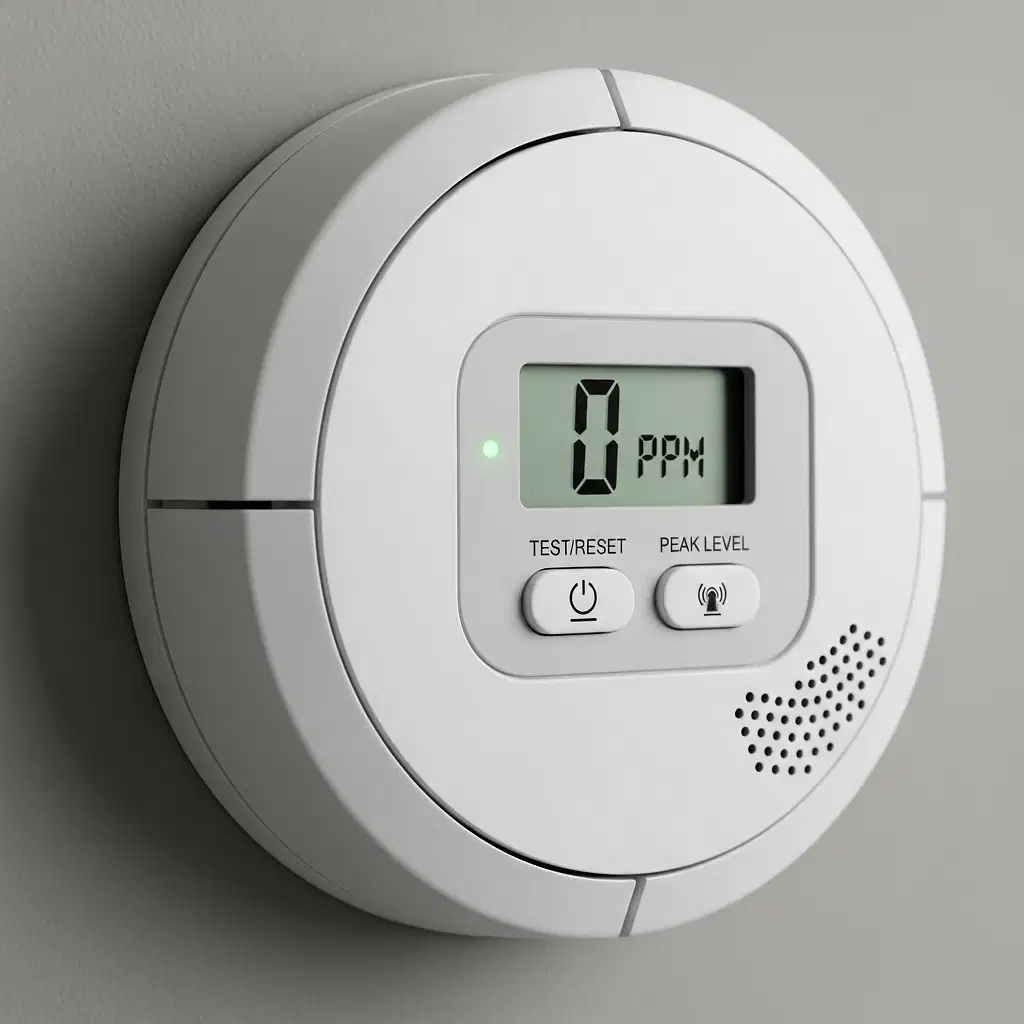
One of the most significant updates to modern building codes revolves around how alarms communicate with each other. If a fire starts in the basement while you are sleeping on the second floor, a standalone alarm might not wake you in time. This is why the interconnected smoke detector code requirements alberta enforces are so crucial.
Under current regulations for new builds and significant renovations, smoke alarms must be hardwired into your home's electrical system and interconnected. This means that if one alarm detects smoke, every single alarm in the house will sound simultaneously. This interconnected network provides whole-house awareness instantly, giving everyone maximum time to evacuate safely.
Homeowners are not permitted to simply string these wires themselves. Because these systems are tied directly into your home's primary electrical panel, the installation must comply strictly with the Canadian Electrical Code. Attempting to bypass these rules or hiring an unlicensed handyman to handle the wiring can result in non-compliant work, putting your family at risk and potentially voiding your home insurance. Trusting a certified Red Seal journeyperson ensures the job is done safely, legally, and correctly the first time.
Proper Placement for Maximum Protection
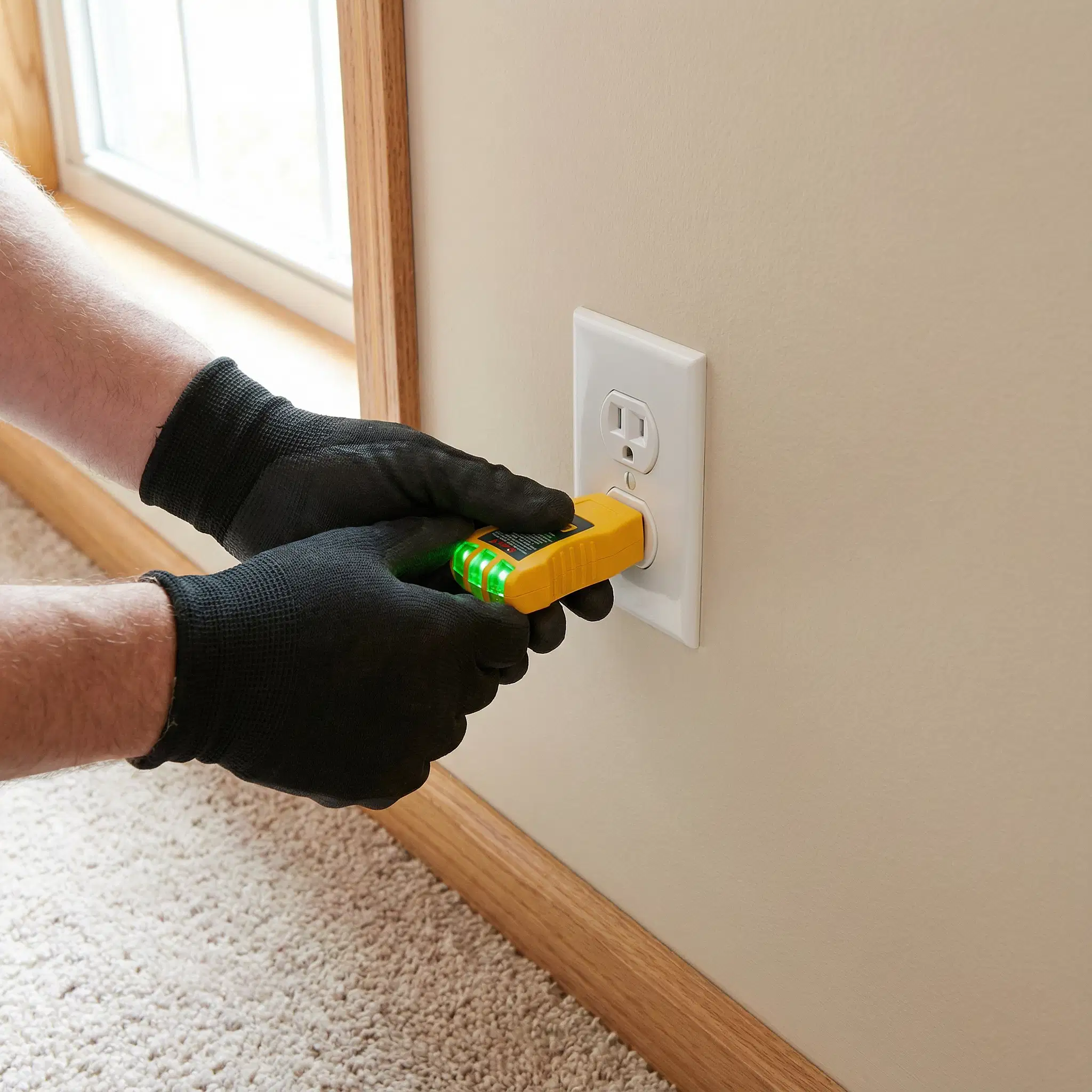
When it comes to carbon monoxide, the stakes are incredibly high. Carbon monoxide is a colorless, odorless, and tasteless gas produced by the incomplete combustion of fuels like natural gas, propane, wood, or coal. Because we rely heavily on gas furnaces, water heaters, and fireplaces, understanding the carbon monoxide alarm placement rules for homes is absolutely essential.
Code dictates that carbon monoxide alarms must be installed adjacent to all sleeping areas. If your home has bedrooms on multiple levels, you need an alarm on each of those levels. They should be placed in hallways outside of bedrooms so that the alarm can be easily heard over closed doors. While some homeowners plug battery-operated units into baseboard outlets, a hardwired combination smoke and CO alarm mounted on the ceiling or high on a wall is often the most reliable solution.
If you are tackling a renovation or adding a secondary suite to an acreage property, you must ensure your electrical services and alarm placements meet these strict criteria. A professional electrical repair and installation team can help you map out the exact locations required by local authorities to ensure you pass your safety inspections without a hitch.
Recognizing When It Is Time for a Replacement
A common misconception is that hardwired alarms last forever because they are connected to the house's power supply. In reality, the internal sensors degrade over time. The National Fire Protection Association (NFPA) and manufacturer guidelines dictate that smoke alarms should be replaced every 10 years, while carbon monoxide alarms generally need replacement every 5 to 7 years, depending on the model.
There are several signs hardwired smoke detectors need replacement that you should never ignore. The most obvious is an expiration date printed on the back of the unit. If you cannot find a date and do not know when they were installed, it is safest to replace them. Other signs include frequent false alarms from minor things like cooking steam, a persistent chirping sound even after the backup battery has been replaced, or visible yellowing of the plastic casing, which is a strong indicator of age.
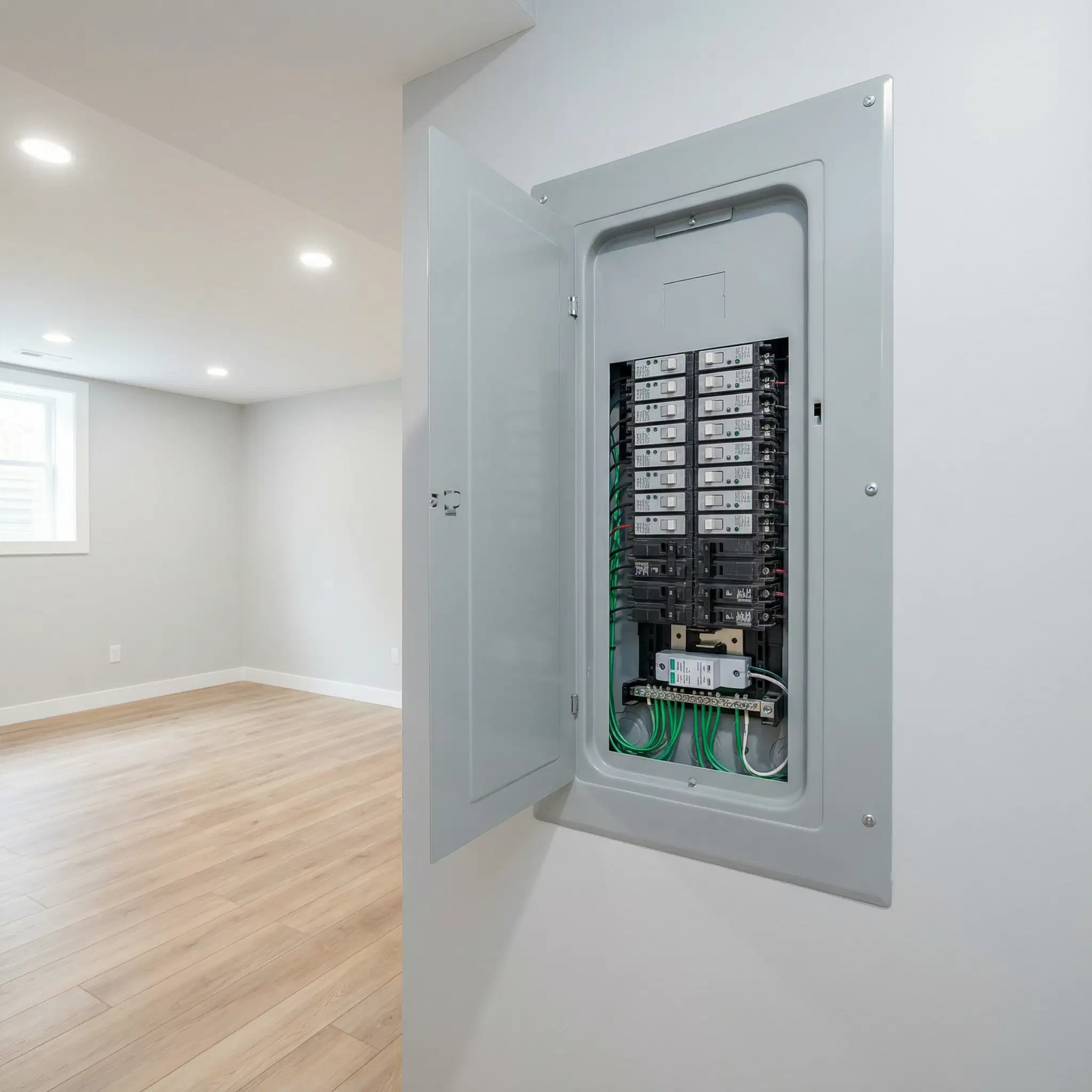
If your alarms are showing their age, it is highly recommended to schedule home electrical inspections. An inspection will not only assess the state of your life safety devices but also evaluate your home's overall electrical health, identifying any potential hazards before they become emergency electrical situations.
Secure Your Home with Professional Installation
Protecting your home from the threats of fire and carbon monoxide is not an area where you want to cut corners. Adhering to the hardwired smoke and carbon monoxide alarm requirements ensures your property is up to code and your loved ones are protected. Because these installations involve working directly with your home's circuitry, it is vital to rely on licensed, insured professionals who guarantee their workmanship and understand provincial safety regulations inside and out.
If you are unsure whether your current alarm system is compliant, or if you know it is time for an upgrade, McKones Electrical is here to help. We specialize in comprehensive electrical services for residential properties throughout the Edmonton area, bringing transparent pricing and rigorous safety standards to every job.
Don't leave your family's safety to chance. Reach out to our team today to learn more about our smoke and CO alarms services and ensure your home is fully protected for the years ahead.