
A Landlord's Guide: Essential Electrical Safety for Edmonton Rental Suites
Developing a secondary suite—whether it's in your basement or a new garden suite—is a smart investment in the Edmonton property market. It can provide a steady income stream and increase your property's value. However, with that opportunity comes a significant responsibility: ensuring the absolute safety of your tenants. When it comes to rental properties, nowhere is this more critical than with the electrical system. Navigating the maze of permits, codes, and specific requirements can be daunting, but getting it right is non-negotiable. This guide will walk you through the essential electrical safety standards for rental suites, ensuring you protect your tenants, your investment, and your peace of mind.
The Starting Point: Permits and Code Compliance
Before a single wire is run, the first step is understanding the legal framework. In Edmonton, any significant electrical work, especially for creating a new dwelling unit, requires a permit. This isn't just red tape; it's a crucial safety measure. A permit triggers a review and inspection process, ensuring all work is performed to the standards of the Alberta Electrical Code and local bylaws.
Attempting to bypass this process can lead to serious consequences:
- Safety Hazards: Improperly installed wiring is a leading cause of residential fires. The code is designed to prevent these risks.
- Insurance Issues: If an incident occurs and the work was unpermitted, your insurance provider may deny your claim, leaving you financially liable.
- Legal Trouble: The City of Edmonton can issue orders to correct unpermitted work and levy significant fines.
A licensed and insured electrical contractor will handle the entire permitting process for you. This ensures that from day one, your project is compliant, safe, and built to last, satisfying one of the most important consumer priorities: safety and code compliance.
Separate Systems for Safety and Convenience
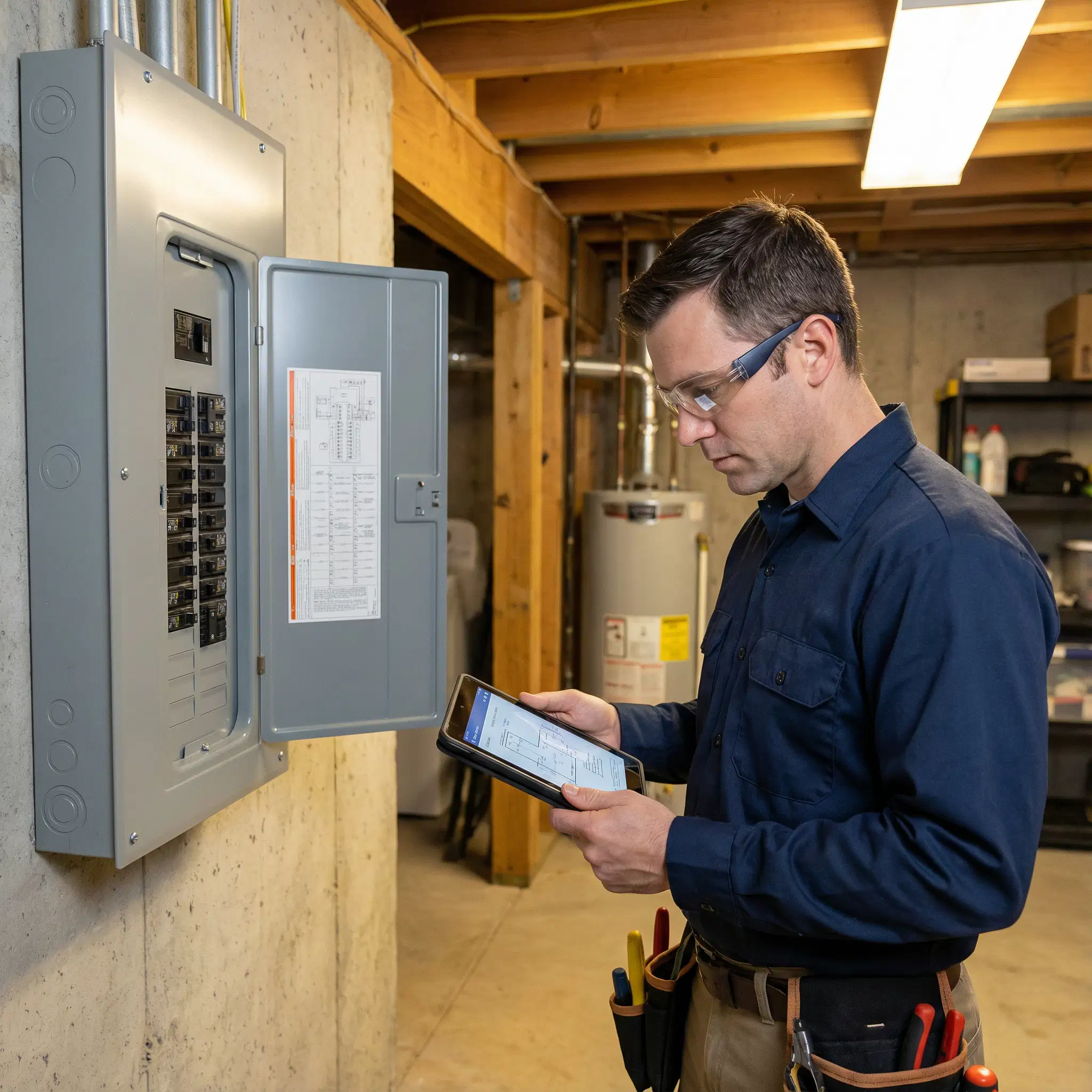
One of the most fundamental requirements for a legal secondary suite is that its electrical system must be separate from the main home. This typically means installing a dedicated subpanel for the suite, fed from the main electrical panel. There are two key reasons for this.
First, safety. A secondary suite adds a significant electrical load with its own kitchen appliances, lighting, and outlets. Tying this into existing circuits would overload them, creating a constant risk of tripping breakers and, more dangerously, overheating wires. A separate subpanel ensures the suite has its own dedicated circuits, each properly rated for its intended load.
Second, convenience and clarity. With a separate panel, your tenant has control over their own breakers. It also allows for the simple installation of a separate meter by EPCOR if you wish to have tenants pay their own electricity bills. This clear division prevents disputes and makes managing the property much simpler. This is a core part of any professional secondary suite addition.
Life-Saving Devices: Smoke/CO Alarms and Arc-Fault Protection
Modern electrical codes mandate specific safety devices that provide an active layer of protection for occupants. For any rental property, these are not optional.
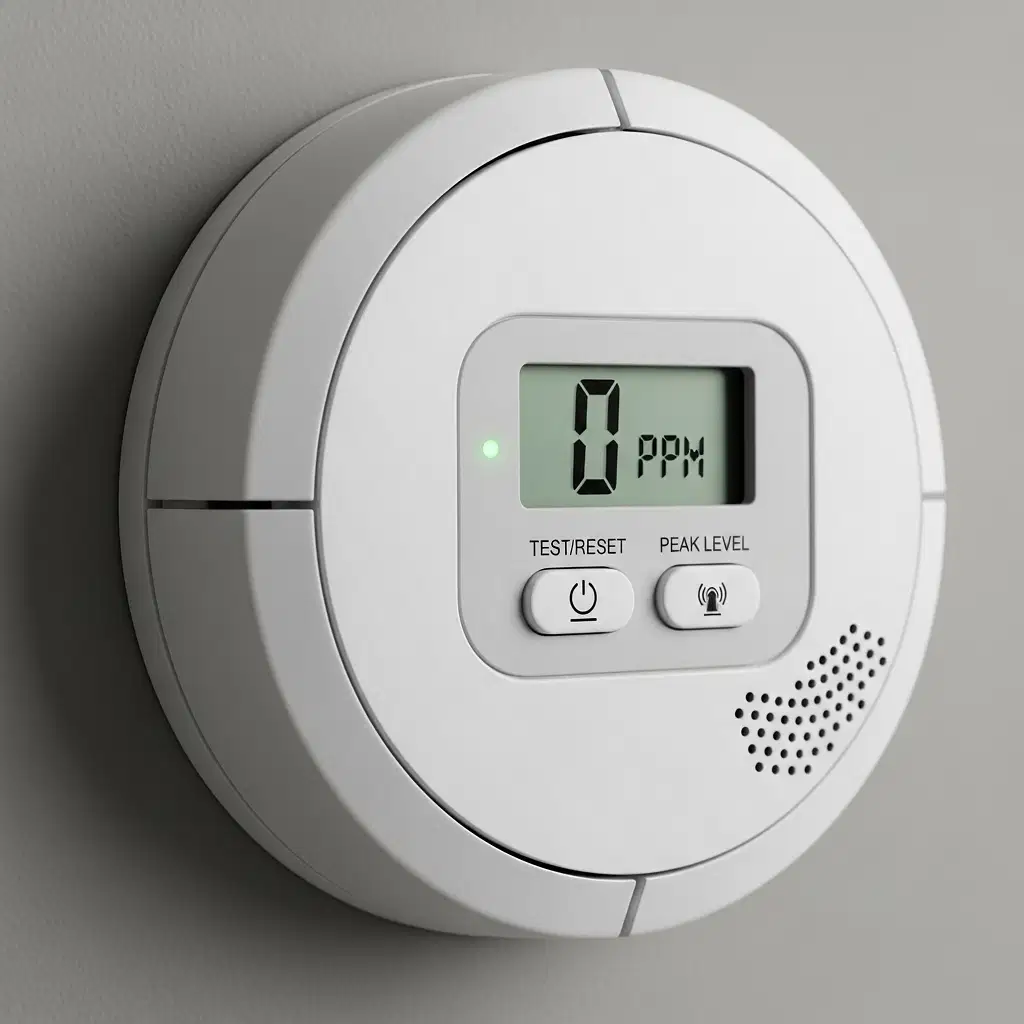
Interconnected Smoke and Carbon Monoxide (CO) Alarms: The law requires hardwired, interconnected smoke and CO alarms in all sleeping areas and on every level of a home, including a secondary suite. 'Interconnected' means that if one alarm detects smoke or CO, all alarms throughout both the main house and the suite will sound simultaneously. This early warning system is critical for giving everyone enough time to evacuate safely in an emergency.
Arc-Fault Circuit Interrupters (AFCI): You're likely familiar with GFCI outlets that prevent electric shock near water, but AFCIs are just as important. These specialized breakers are designed to detect dangerous electrical arcs—tiny sparks that can happen in damaged, pinched, or aged wiring. These arcs are a common cause of electrical fires. The code now requires AFCI protection on circuits feeding bedrooms and other living areas, providing a crucial defense against hidden wiring hazards.
The Final Check: Passing the Electrical Inspection
After all the work is complete, a City of Edmonton safety codes officer must perform a final inspection. This is the last step to certify that your suite is legally and electrically safe for occupancy. The inspector will verify everything from the panel installation and wire gauges to the proper placement of outlets and safety devices.
Working with a professional electrician makes this final step seamless. We build to code from the start, ensuring our work is designed to pass inspection the first time. This avoids costly delays and gives you the official documentation you need. A successful home electrical inspection is the ultimate assurance that you've met your obligations as a landlord and provided a safe home for your tenants.
Properly planning the electrical system is a foundational part of any renovation or alteration project, and it's especially critical when creating a new living space.
Protect Your Investment with Professional Electrical Work
Creating a legal and safe secondary suite in Edmonton is a detailed process, but it's one that protects you, your tenants, and your property for years to come. From pulling the right permits and installing separate panels to ensuring all life-saving devices are correctly wired, every step matters. Don't leave your investment to chance.
If you're planning a secondary suite or need to ensure your current rental property is up to code, contact McKones Electrical today. We provide expert guidance and professional electrical services to ensure your project is done right. Reach out to us for a consultation on your rental property in the Edmonton area.