
The Complete Guide to Installing an EV Charger in Your Detached Garage
As electric vehicles become more popular, the convenience of waking up to a fully charged battery is becoming a game-changer for many drivers. But if your property features a detached garage, making the switch to electric driving requires a bit more planning than simply plugging a cord into a standard wall outlet. For homeowners in the Edmonton area, navigating the electrical upgrades needed to power a separate structure is a common hurdle.
While every EV comes with a basic Level 1 charger that can plug into a standard household outlet, this method only provides a slow trickle charge. When the temperature drops and your vehicle's battery efficiency decreases, a Level 1 charger simply cannot keep up with daily commuting needs. Running power to a detached garage for an EV charger isn't just a matter of convenience; it is about safety, efficiency, and ensuring your vehicle is actually ready to drive when you need it.
Let's break down exactly what you need to know about bringing reliable, Level 2 charging capabilities to your detached garage.
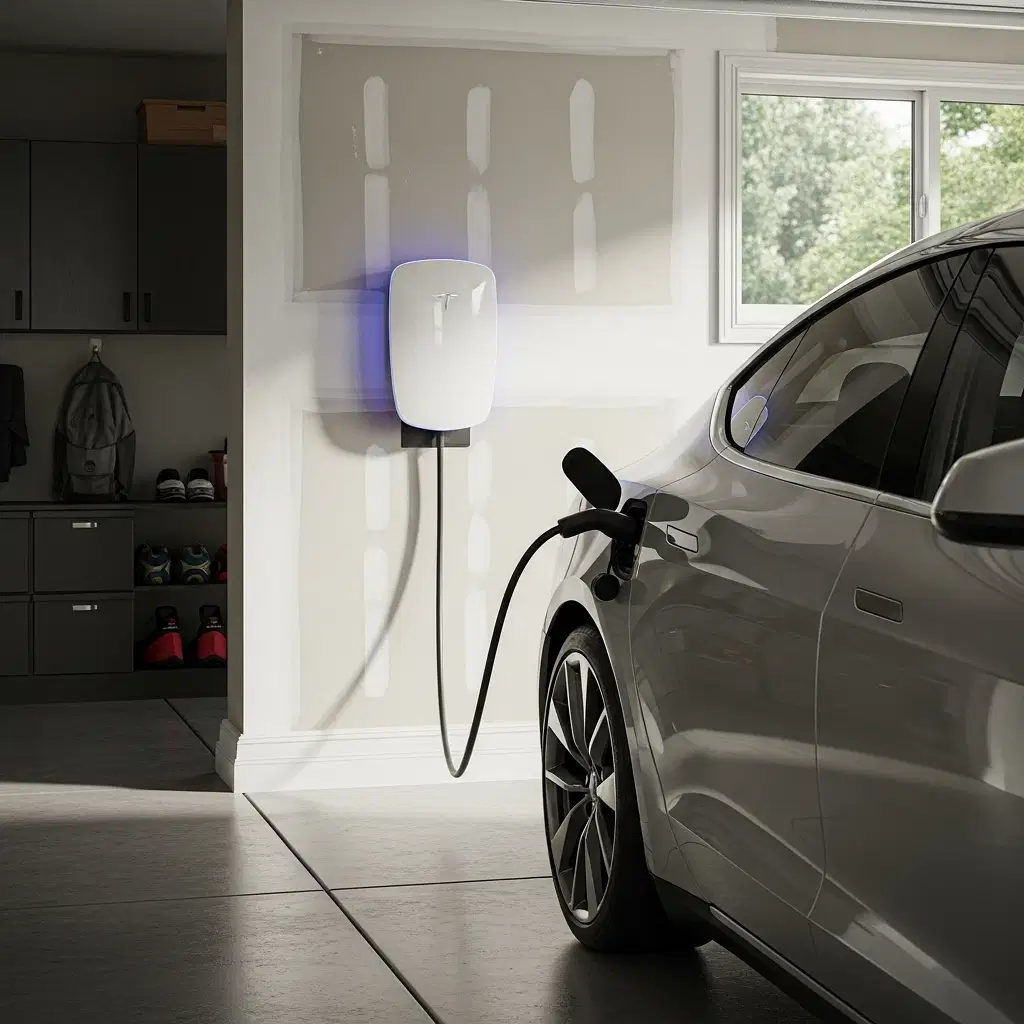
Understanding Your Garage's Power Capacity
Most older detached garages were wired strictly for basic needs: overhead lighting, a garage door opener, and perhaps a few outlets for power tools or a block heater. A Level 2 EV charger, however, draws a substantial amount of continuous current. If you try to run a high-capacity charger on an existing, undersized circuit, you risk overloading the system, melting wires, and constantly tripping breakers.
Before installing your new charger, a qualified electrician must assess your home's total electrical capacity. We use a residential EV charger load calculation guide to determine if your main home electrical panel can safely share power with the garage without exceeding its limits.
In many cases, the safest and most effective solution is a dedicated garage subpanel installation. A subpanel acts as a satellite breaker box specifically for your garage. Understanding the subpanel requirements for level 2 EV charging is crucial; it allows us to safely distribute power for your vehicle while leaving room for a garage heater or other high-demand appliances.
If your current underground wiring doesn't have the required capacity to feed a new subpanel, we will need to trench and run new, heavier-gauge wiring from your home's main panel to the garage. This allows us to establish new electrical circuits that are specifically designed to handle the heavy, continuous load of an electric vehicle safely.
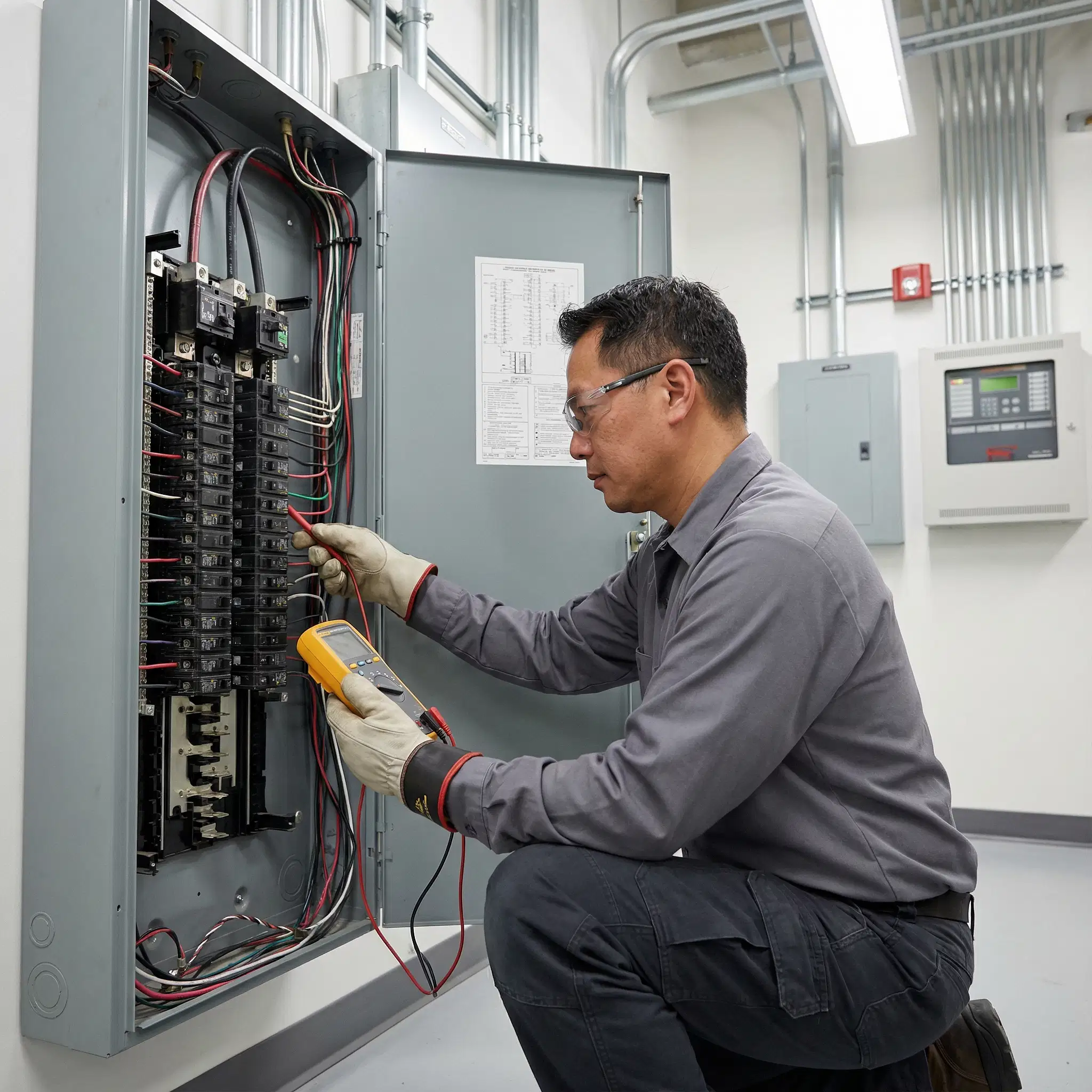
Navigating Permits and Electrical Safety
One of the most frequent questions we hear from homeowners is whether they actually need a permit to do electrical work in their own garage. The short answer is absolutely. Modifying your home's electrical system, especially when installing a 240-volt circuit for a high-draw appliance, requires municipal permits and a formal inspection to ensure strict compliance with the Canadian Electrical Code.
Skipping the permitting process or hiring an unlicensed handyman might seem like a way to save a few dollars upfront, but it can lead to massive headaches later. Unpermitted electrical work can result in severe safety hazards, voided home insurance policies in the event of a fire, and significant delays when you eventually try to sell your home.
Proper installation is especially critical when the Deep Freeze sets in. You rely on your vehicle to get you to work and back safely, and an improperly wired charging station is prone to failure when placed under the stress of extreme cold. At McKones Electrical, our team of licensed journeymen electricians handles the entire permitting process for you, guaranteeing that every wire pulled and breaker installed is completely up to code and built to withstand our harsh winters.
What to Expect for Costs and Upfront Pricing
"What is the cost to install a Level 2 EV charger in my garage?" This is easily the most common inquiry we receive. Because every property is uniquely laid out, the price can vary significantly from one home to the next.
If your garage was built recently, already has an adequate 60-amp or 100-amp subpanel, and simply needs a short run of conduit and a new receptacle, the installation cost is relatively low. However, if we need to dig a trench across your yard to upgrade the underground power feed, install a new subpanel, and potentially upgrade your home's main service panel to 200 amps to handle the increased load, the overall investment will naturally be higher. Material costs for heavy-gauge copper wiring can also impact the final price of the project.
We know that homeowners value transparent, upfront pricing. We don't want you to be surprised by hidden fees or unexpected hourly charges that are unfortunately common in the industry. That is why we evaluate your specific property in detail and provide a comprehensive, fixed-price quote for our EV chargers services before any tools are lifted.
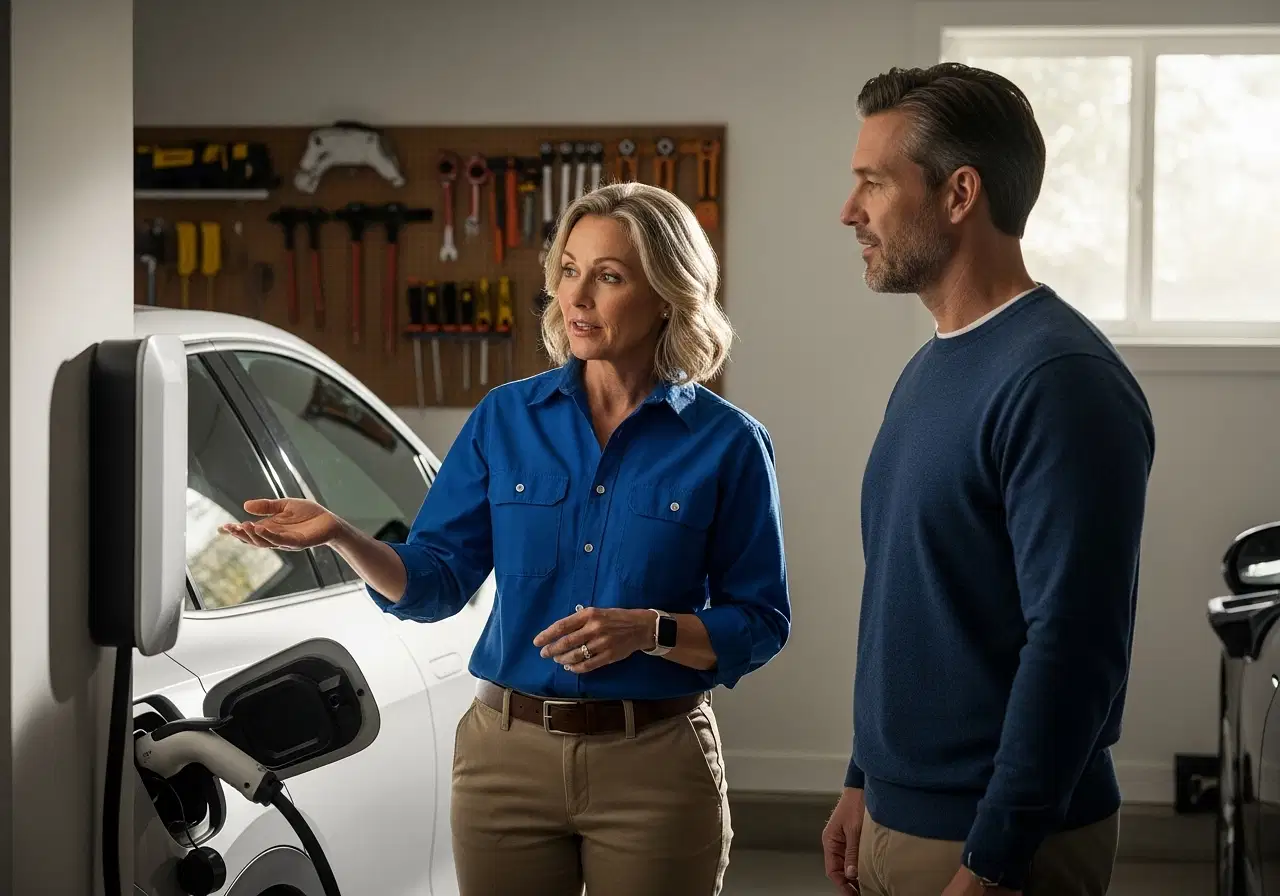
Ready to Power Your Commute?
Transitioning to an electric vehicle is an exciting step forward, and having a reliable, fast-charging station waiting for you at home makes the entire experience seamless and stress-free. Whether your home is located right off the Henday or you are commuting from surrounding suburban neighborhoods, getting your detached garage properly wired is an investment in your property's value and your everyday convenience.
If you are ready to upgrade your garage's electrical system, the team at McKones Electrical is here to guide you through the process. We combine extensive local expertise with strict safety standards to deliver exceptional, code-compliant results. Reach out through our contact page to schedule a consultation, and let's ensure your home is fully equipped for the future of driving.