
A Homeowner's Guide to Safe Electrical Upgrades for Older Edmonton Homes
Edmonton's established neighbourhoods are full of character, with beautiful homes that tell a story. While these older properties have undeniable charm, their electrical systems often belong to a different era. Decades-old wiring and undersized electrical panels weren't designed to handle the demands of modern life—from our high-powered kitchen appliances and home offices to the dream of one day owning an electric vehicle. Living with an outdated system can lead to frustrating issues like frequently tripped breakers and flickering lights, and more importantly, it can pose significant safety risks.
For many homeowners, the thought of dealing with electrical work can be daunting, raising concerns about cost, disruption, and finding a trustworthy professional. This guide is here to help. We'll walk you through the common electrical issues found in older homes, the warning signs that indicate a need for an upgrade, and the long-term benefits of investing in a modern, safe, and reliable electrical system for your family.
Common Hazards Lurking Behind the Walls
In homes built before the 1980s, it's common to find electrical systems that are now considered obsolete and potentially hazardous. Understanding what you might be dealing with is the first step toward making an informed decision about your home's safety.
- Aluminum Wiring: Popular in the 1960s and 70s, aluminum wiring is prone to oxidation and expansion/contraction at connection points, which can cause connections to loosen over time. This creates a serious fire hazard. If your home has aluminum wiring, a professional assessment is crucial to determine the best course of action, which often involves specialized aluminum conversions to make connections safe.
- Knob-and-Tube Wiring: Found in homes built before 1950, this system lacks a ground wire, a critical safety feature that protects against electric shock. The insulation around the wires can also become brittle and break down over time, increasing the risk of fire, especially if it comes into contact with modern home insulation.
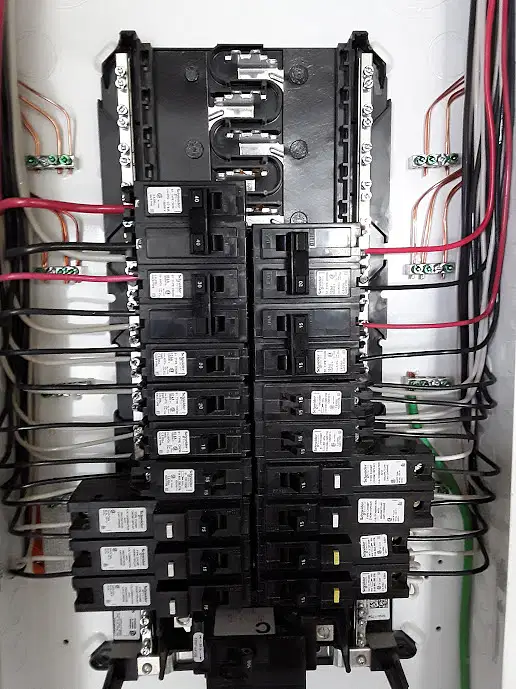
- Outdated 60-Amp Service: A 60-amp electrical panel was once the standard, but it's simply not enough to power a modern household. If you're running a microwave, a toaster, and a coffee maker at the same time, you might already be pushing the limits. This lack of capacity can lead to overloaded circuits and is insufficient for major additions like a hot tub, a secondary suite, or an EV charger.
Telltale Signs Your Electrical System Needs Attention
Your home's electrical system will often give you warning signs that it's under strain or in need of repair. Ignoring these signals can lead to bigger problems down the road. Here are some common indicators that it's time to call a professional:
- Frequent Tripped Breakers or Blown Fuses: This is the most common sign of an overloaded circuit. If it happens regularly, your system can't keep up with your electrical demand.
- Flickering or Dimming Lights: When lights dim as a large appliance like a furnace or refrigerator kicks on, it can indicate that your system is overloaded or has loose connections.
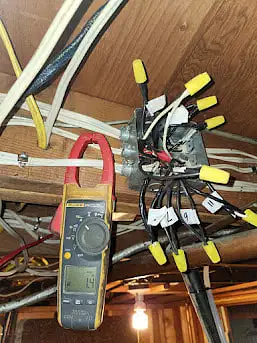
- Discoloured or Warm Outlets: An outlet or switch plate that is warm to the touch or shows signs of scorching is a serious red flag for a dangerous wiring issue that requires immediate troubleshooting.
- Lack of GFCI Outlets: Modern safety codes require Ground Fault Circuit Interrupter (GFCI) outlets in areas with water, like kitchens, bathrooms, and outdoors. These devices quickly shut off power in the event of a ground fault, preventing severe electric shock.
- Two-Prong Outlets: The absence of a third prong means there is no ground connection, leaving you and your sensitive electronics unprotected from electrical faults.
The most reliable way to understand the condition of your system is through a comprehensive Home Electrical Inspection. A licensed electrician can identify potential hazards and provide a clear roadmap for necessary upgrades.
Investing in Safety, Capacity, and Peace of Mind
Upgrading your electrical system is more than just a repair; it's a fundamental improvement to your home's safety and functionality. A modern system, including a new electrical panel and dedicated circuits, provides numerous benefits that enhance your daily life and protect your investment.
First and foremost is safety. By replacing outdated wiring and installing modern protective devices like AFCI and GFCI breakers, you significantly reduce the risk of electrical fires and shock, giving you invaluable peace of mind. Secondly, you gain the capacity to live a modern lifestyle without compromise. A service upgrade to 100 or 200 amps means you can run multiple appliances, renovate your basement, install an air conditioner, or add that welder plug in the garage without worry. Finally, a properly updated electrical system ensures your home is compliant with current codes, which is often a requirement for obtaining home insurance and is a major asset when it comes time to sell.
At McKones Electrical, we specialize in helping homeowners in Edmonton and surrounding areas bring their electrical systems up to modern standards of safety and performance. Whether you need a complete rewire, a panel upgrade, or a thorough inspection, our team of certified electricians is committed to providing quality workmanship and transparent service.
Don't wait for a problem to arise. Contact us today to schedule an inspection and ensure your home's electrical system is safe, reliable, and ready for the future.